Considering a 100 amp manual transfer switch offers a flexible and economical solution for backup power, especially during storm seasons and outages.
These switches facilitate connecting a generator to your home, providing essential power when the grid fails, and are becoming increasingly critical for resilience.
Proper installation, often requiring a professional, is vital for safe and effective operation, ensuring a reliable power source during emergencies.
What is a Manual Transfer Switch?
A manual transfer switch is a crucial component in a backup power system, acting as a safe intermediary between your home’s electrical grid and a portable generator. Unlike automatic transfer switches, a manual switch requires you to physically switch the power source over during an outage.
Specifically, a 100 amp manual transfer switch is designed to handle a substantial electrical load – up to 100 amps – making it suitable for powering essential circuits in your home. This means you can select which appliances and systems, like refrigerators, lights, and heating, receive power from the generator.
It prevents backfeeding electricity onto the utility lines, a dangerous situation that could harm line workers. Essentially, it isolates your home from the grid while the generator is running, ensuring safety and compliance with electrical codes. It’s a simpler, more affordable alternative to whole-house automatic systems, offering a practical solution for emergency power needs.
Why Choose a 100 Amp Transfer Switch?
Opting for a 100 amp manual transfer switch provides a balance of power capacity and cost-effectiveness. It’s ideal for homes needing to run several essential appliances during outages, supporting loads from 8kW to 17kW generators. This capacity surpasses many smaller switches, offering greater flexibility.
Compared to automatic systems, a manual switch is significantly more affordable, making backup power accessible to a wider range of homeowners. It’s also a simpler installation, though professional help is still recommended.
Furthermore, a 100 amp switch offers a practical solution for those experiencing increasingly frequent or severe weather events, like hurricanes and wildfires, where power outages are common. It provides peace of mind, knowing you can maintain essential services when the grid is down, and avoids the risks associated with improper generator connections.
Benefits of Backup Power Systems
Implementing a backup power system, centered around a 100 amp manual transfer switch, delivers substantial benefits beyond simply restoring lights during an outage. It ensures continued operation of critical appliances like refrigerators, medical equipment, and heating/cooling systems, safeguarding perishable goods and maintaining comfort.
During extended power failures, a backup system provides security by powering communication devices and security systems. This is particularly vital during severe weather events. The ability to remain connected and informed offers peace of mind.
Moreover, a well-configured system minimizes disruption to daily life, allowing homeowners to continue working remotely or managing essential tasks. Investing in backup power is an investment in resilience, protecting against the increasing frequency and severity of power outages.

Understanding the Components
A 100 amp transfer switch integrates with your load center, managing power flow between utility and generator sources, typically 8kW to 17kW.
Key parts include switches, breakers, and wiring for safe and efficient power distribution during outages.
Key Parts of a 100 Amp Transfer Switch
The core of a 100 amp manual transfer switch lies in its meticulously designed components, each playing a crucial role in safely and efficiently redirecting power during outages. Central to its function are the heavy-duty switches themselves, capable of handling the substantial amperage required to power essential household circuits.
Circuit breakers are integral, providing overcurrent protection for both the utility and generator sides, safeguarding against electrical hazards. A robust enclosure houses these components, ensuring physical protection and preventing accidental contact with live wires. Wiring terminals, clearly labeled, facilitate secure and correct connections, vital for proper operation.
The transfer mechanism, often a rotary switch, allows for selecting either utility or generator power, preventing backfeeding onto the grid. A neutral bus ensures proper grounding, enhancing safety. Finally, a detailed wiring diagram, usually affixed inside the enclosure, serves as a critical reference during installation and troubleshooting.
Generator Compatibility (8kW ⎯ 17kW)
A 100 amp manual transfer switch demonstrates excellent compatibility with a range of generator sizes, typically spanning from 8kW to 17kW. This versatility allows homeowners to select a generator that appropriately matches their power needs and budget. An 8kW generator can effectively power essential circuits, while larger 16-17kW models can support more extensive loads, including central air conditioning.

Crucially, it’s vital to ensure the generator’s output voltage matches the transfer switch’s specifications – commonly 120/240V. Air-cooled standby generators are frequently paired with these switches, offering a reliable backup solution. Careful consideration of the total wattage requirements of the circuits connected to the transfer switch is paramount to avoid overloading the generator.
Proper sizing ensures optimal performance and prevents damage to both the generator and the electrical system.
Load Center Integration
Integrating a 100 amp manual transfer switch with your existing load center (breaker panel) is a critical step in establishing a robust backup power system. Many transfer switches are designed for direct integration, often incorporating an express install kit to streamline the process. This integration allows you to selectively power specific circuits during an outage, prioritizing essential loads like refrigerators, lights, and heating systems.
The transfer switch effectively isolates your home’s electrical system from the utility grid when a generator is connected, preventing backfeeding – a dangerous situation. Proper wiring and adherence to electrical codes are essential during this integration. Some models combine the transfer switch functionality with a new load center, simplifying installation and providing increased circuit capacity.
Professional installation is highly recommended to ensure safe and compliant integration.
Safety Precautions & Warnings
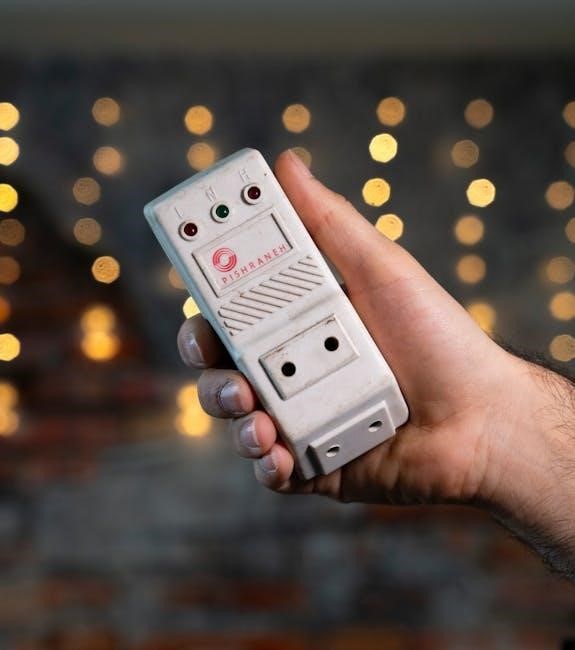
Prioritize safety with 100 amp transfer switches; professional installation is crucial, preventing electrical hazards like backfeeding and ensuring system operation compliance.
Always heed DANGER warnings!
Importance of Professional Installation
Engaging a qualified electrician for the installation of your 100 amp manual transfer switch is paramount for safety and code compliance. Improper wiring can create significant electrical hazards, including the risk of backfeeding power onto the utility grid – a dangerous situation for line workers and neighbors;
A professional understands local electrical codes and permitting requirements, ensuring your installation meets all necessary standards. They will correctly assess your electrical panel’s capacity and ensure the transfer switch is appropriately sized for your generator and household loads.
Furthermore, a skilled electrician will meticulously follow the manufacturer’s instructions, guaranteeing proper connections and minimizing the potential for errors. Attempting a DIY installation without sufficient electrical knowledge can lead to costly mistakes, void warranties, and, most importantly, compromise your safety. Don’t bypass recommended procedures!
Electrical Hazards and Prevention
Working with electricity presents inherent dangers, and a 100 amp manual transfer switch is no exception. The most significant hazard is backfeeding – when generator power flows back into the utility lines. This can severely injure or kill utility workers and damage equipment. Always disconnect from the grid before generator operation.
Prevention begins with a properly installed transfer switch, preventing backfeeding. Never attempt to connect a generator directly to a wall outlet; this bypasses safety mechanisms. Ensure all wiring connections are secure and insulated, avoiding exposed wires. Regularly inspect cords for damage and replace them immediately if found.
Ground Fault Circuit Interrupters (GFCIs) are crucial in damp locations. Always follow safety guidelines, and if unsure about any aspect of the installation or operation, consult a qualified electrician. Prioritize safety – it’s not worth the risk!
DANGER Warnings & System Operation
DANGER: Improper operation of a 100 amp manual transfer switch can lead to severe electrical shock, fire, or carbon monoxide poisoning. Always operate the system according to the manufacturer’s instructions and local electrical codes. Before starting the generator, ensure the main breaker is OFF to prevent backfeeding.
System operation involves switching between utility and generator power. After starting the generator, carefully transfer the load by switching the appropriate breakers on the transfer switch. Never exceed the generator’s wattage capacity. Monitor the generator’s fuel level and operate it in a well-ventilated area.
Remember, the transfer switch does not provide power from both sources simultaneously. Regularly test the system to ensure it functions correctly. Ignoring these warnings can have catastrophic consequences. Prioritize safety above all else.
Installation Process: A Detailed Guide
Professional installation is crucial, following a pre-installation checklist and detailed instructions, including precise wiring diagrams for safe and effective 100 amp transfer switch setup.
Express Install Kits simplify integration with 8kW-17kW generators, ensuring proper load center connectivity and adherence to safety standards.
Pre-Installation Checklist
Before commencing the installation of your 100 amp manual transfer switch, a thorough pre-installation checklist is paramount for safety and a successful outcome. First, verify local electrical codes and permitting requirements, ensuring full compliance to avoid future issues.
Next, confirm the generator’s compatibility – typically 8kW to 17kW for a 100 amp switch – and ensure it’s appropriately sized for your essential loads. Carefully assess your electrical panel’s capacity and available breaker spaces. You’ll need sufficient room for the transfer switch installation.
Gather all necessary tools and materials, including appropriately sized wiring, conduit, connectors, and safety equipment; Crucially, disconnect the main power supply to your home before beginning any electrical work. Finally, review the installation guide thoroughly, familiarizing yourself with the wiring diagrams and procedures. A detailed understanding will streamline the process and minimize potential errors.
Step-by-Step Installation Instructions
Begin by mounting the transfer switch securely near your electrical panel, adhering to manufacturer’s specifications and maintaining adequate clearances. Next, carefully feed the appropriate gauge wiring from the panel to the transfer switch, following the provided wiring diagrams. Connect the line side wires – those from the main panel – to the designated terminals.
Subsequently, connect the load side wires to the circuits you wish to power during an outage. Ensure all connections are tight and secure, utilizing appropriate connectors. Then, connect the generator inlet wiring, again referencing the wiring diagram for correct polarity. Double-check all wiring before proceeding.
Finally, install the necessary breakers within the transfer switch and panel. Remember to label all circuits clearly for easy identification. Professional installation is highly recommended, as improper wiring can create hazardous conditions.
Wiring Diagrams & Connections
Understanding the wiring diagram is crucial; it details line-side connections from the main panel, load-side connections to protected circuits, and generator inlet wiring. Typically, line-side connections involve heavier gauge wiring to accommodate the full 100 amp capacity. Load-side wiring will vary based on circuit breaker sizes.
Connections must adhere to local electrical codes, ensuring proper grounding and polarity. The generator inlet requires a dedicated connection point, often utilizing a locking plug for safety. Wiring should be neatly organized and secured within the transfer switch enclosure.
Refer to the specific model’s installation guide for detailed diagrams, as configurations can differ. Incorrect wiring can lead to damage or create hazardous electrical conditions; professional assistance is advised if you’re unfamiliar with electrical work.

Post-Installation & Start-Up
Following installation, thorough system testing and verification are essential to confirm proper functionality and safety before relying on the transfer switch.
Automatic operation setup involves configuring the switch to seamlessly transfer power, and adjustments may be needed for optimal performance.
System Testing & Verification
After completing the installation of your 100 amp manual transfer switch, rigorous system testing is paramount to ensure safe and reliable operation. Begin by visually inspecting all wiring connections, confirming they are secure and correctly matched to the wiring diagrams.
With the generator safely disconnected from the transfer switch, simulate a power outage by switching to generator power. Verify that the designated circuits now receive power from the generator, and that those previously powered by the utility grid are isolated.
Carefully test each circuit individually, using appropriate testing equipment to confirm voltage and amperage levels. Ensure the transfer switch operates smoothly between utility and generator power sources. Pay close attention to any unusual noises or vibrations during the transfer process.
Finally, switch back to utility power and confirm a seamless transition. Document all test results and address any discrepancies immediately. A successful verification process guarantees peace of mind during actual power outages.
Automatic Operation Setup
For 100 amp automatic transfer switches, configuring automatic operation involves several key steps. First, ensure the transfer switch is correctly integrated with your generator’s automatic start/stop system. This typically requires connecting signal wires that communicate power outage detection and generator readiness.
Carefully follow the manufacturer’s instructions for wiring these signals, as incorrect connections can prevent automatic operation or cause malfunctions. The system is now set for fully automatic operation, but requires diligent attention to detail.
Next, program the transfer switch’s controller with the appropriate settings, including voltage and frequency thresholds. Test the automatic function by simulating a power outage; the generator should start automatically and the transfer switch should seamlessly switch to generator power.
Verify that the system automatically reverts to utility power when the grid is restored. Regular testing is crucial to maintain reliable automatic operation.
Adjustments & Fine-Tuning
Post-installation, adjustments and fine-tuning are crucial for optimal 100 amp transfer switch performance. Begin by verifying voltage levels on both utility and generator power sources to ensure compatibility and prevent damage. Minor adjustments to generator settings might be needed to match utility voltage precisely.
Check the transfer time – the speed at which the switch transitions between power sources – and ensure it’s within acceptable limits. Excessive transfer times can cause brief interruptions to sensitive electronics.
Inspect all wiring connections for tightness and proper insulation. Address any loose connections or frayed wires immediately. Finally, confirm the automatic operation functions correctly after any adjustments, simulating outages and restorations to validate seamless switching.
Regularly monitor the system’s performance and make minor adjustments as needed to maintain reliability and efficiency.
Troubleshooting Common Issues
Addressing wiring diagram issues and identifying common problems are key to maintaining a functional 100 amp transfer switch system, ensuring reliable backup power.
Simple troubleshooting guides can resolve many issues, but professional help is vital for complex electrical problems or safety concerns.
Prompt diagnosis and repair minimize downtime during critical power outages, safeguarding essential appliances and systems.
Identifying Common Problems
Several issues can arise with a 100 amp manual transfer switch, hindering its ability to provide backup power. Frequently, incorrect wiring connections during installation are a primary culprit, leading to a lack of power transfer or even potential electrical hazards; Another common problem involves tripped breakers within the transfer switch or the main load center, often caused by overloading circuits with excessive wattage demands.
Loose connections, whether at the generator, transfer switch, or load center, can also interrupt the power flow. Furthermore, a malfunctioning generator itself can mimic a transfer switch issue, so verifying the generator’s operational status is crucial. Sometimes, the transfer switch handle may become difficult to operate, indicating internal mechanical problems. Finally, ensure the switch is correctly configured for the generator’s output – a mismatch can prevent proper operation. Regular inspection can help catch these issues early.
Troubleshooting Guide for Wiring Diagrams
When diagnosing issues using wiring diagrams for a 100 amp transfer switch, begin by verifying the power source reaches the switch itself. Confirm all connections match the diagram precisely – even a minor deviation can cause failure. Check for loose wires at both the line (utility) and load (house) sides, tightening as needed. If no power is transferring, inspect the generator’s output voltage and frequency; it must align with the switch’s specifications.
Trace each circuit individually, ensuring proper phasing and grounding. Look for signs of corrosion or damage to wires and connectors. Remember that a tripped breaker on either side indicates an overload; reduce the load and reset. Utilize a multimeter to test continuity and voltage at key points. Always disconnect power before working on wiring, and consult a qualified electrician if unsure.
Seeking Professional Help When Needed
Despite diligent troubleshooting, certain issues with a 100 amp transfer switch demand a qualified electrician’s expertise. If you encounter persistent problems, especially those involving the main electrical panel or generator connection, prioritize safety and call a professional. Attempting complex repairs without proper training can be dangerous and potentially void warranties.
Specifically, seek help if you suspect wiring faults within the wall, experience recurring breaker trips, or notice any burning smells. Professional installation is crucial initially, and modifications should only be performed by licensed personnel. Ignoring warning signs or attempting DIY fixes beyond your skill level could lead to electrical hazards. Remember, a correctly installed and maintained transfer switch is vital for safe backup power.

Maintenance & Long-Term Care
Regular inspections and cleaning are essential for extending the lifespan of your 100 amp transfer switch, ensuring reliable performance during critical outages.
Component checks and a consistent schedule will help maintain optimal functionality and prevent unexpected failures, safeguarding your backup power system.
Regular Inspection Schedule
Establishing a consistent inspection schedule is paramount for maintaining the reliability of your 100 amp manual transfer switch. At a minimum, conduct a visual inspection every six months, focusing on wiring connections for tightness and signs of corrosion. Carefully examine the switch housing for any physical damage, cracks, or evidence of pest intrusion;
Annually, a more thorough inspection should be performed. This includes testing the switch’s operation by simulating a power outage and switching between utility and generator power. Verify that all indicator lights function correctly and that the transfer occurs smoothly. Check the generator’s connections to the transfer switch, ensuring they remain secure and free from wear. Don’t forget to inspect the load center integration points for any signs of overheating or loose connections.
Keep a log of all inspections and any maintenance performed, noting dates and findings. This record will prove invaluable for tracking the switch’s performance over time and identifying potential issues before they escalate. Remember, proactive maintenance is far more cost-effective than reactive repairs.
Cleaning and Component Checks
Regular cleaning is crucial for the longevity of your 100 amp manual transfer switch. At least annually, disconnect power and carefully remove any dust, debris, or cobwebs from inside the enclosure using a soft, dry cloth or a vacuum with a brush attachment. Avoid using liquids or abrasive cleaners, as these can damage sensitive components.
Inspect all internal components for signs of wear or corrosion. Pay close attention to the contacts within the switch, ensuring they are clean and free from pitting. Check the wiring terminals for tightness and proper insulation. Look for any loose connections or frayed wires, and address them immediately. Verify the functionality of any safety interlocks or indicators.
A visual check of the mounting hardware is also essential, ensuring the switch remains securely fastened. Document any findings and address any issues promptly to maintain optimal performance and safety.
Extending the Lifespan of Your Transfer Switch
Maximizing the lifespan of your 100 amp manual transfer switch requires proactive care and adherence to best practices. Avoid overloading the switch beyond its rated capacity, as this can cause premature wear and potential failure. Ensure your generator is appropriately sized for the intended load, typically between 8kW and 17kW.
Regularly test the switch’s operation with a generator to confirm functionality and identify any emerging issues. Proper storage of the switch in a dry, clean environment when not in use is also beneficial. Consider a surge protector on the generator side to safeguard against voltage spikes.
Professional inspections every few years can uncover hidden problems and ensure continued safe operation. Following the manufacturer’s recommendations for maintenance and adhering to safety guidelines will significantly extend the switch’s service life.