Denim Size Guide: Finding Your Perfect Fit
Navigating the world of denim can be tricky! This comprehensive guide will empower you to confidently select jeans that flatter your figure and provide lasting comfort.
Understanding Denim Sizing Basics
Denim sizing isn’t as straightforward as simply knowing your numerical waist size. Traditional sizing often varied between brands, and even within a single brand’s different styles. Historically, denim sizing originated from workwear, prioritizing functionality over precise conformity to body measurements.
Early jeans were sold based on waist and inseam measurements, rather than a standardized “size” like small, medium, or large. This practice continues today, but is often overlaid with conventional sizing numbers. It’s crucial to remember these numbers are guides, not guarantees.
Furthermore, “vanity sizing” – where brands label items smaller than their actual size – has become prevalent, adding another layer of complexity. Understanding that a size 28 in one brand might fit differently than a size 28 in another is key. Focusing on actual measurements, rather than relying solely on the tag, will dramatically improve your chances of finding a well-fitting pair of jeans.
Why Denim Sizing is Complicated
Several factors contribute to the notorious inconsistency of denim sizing. Stretch fabrics, for example, introduce variability – a jean with 2% spandex will fit differently than one with 20%. The amount and type of stretch significantly impact how the denim conforms to your body and how it behaves after washing.
Different denim weights also play a role. Lightweight denim tends to be more forgiving, while heavier-weight denim holds its shape and may require a more precise fit. Manufacturing tolerances, even within the same production run, can lead to slight variations in measurements.
Beyond the fabric itself, cut and style influence sizing. A slim-fit jean will naturally feel smaller than a relaxed-fit jean, even if both are labeled the same size. Finally, global sizing standards differ; a European size 30 won’t equate to a US size 30. These combined elements create a challenging landscape for denim shoppers.
Decoding Denim Measurements
Understanding key measurements is crucial for a successful denim purchase. We’ll break down waist, inseam, and rise to help you pinpoint your ideal size with confidence.
Waist Measurement: The Foundation
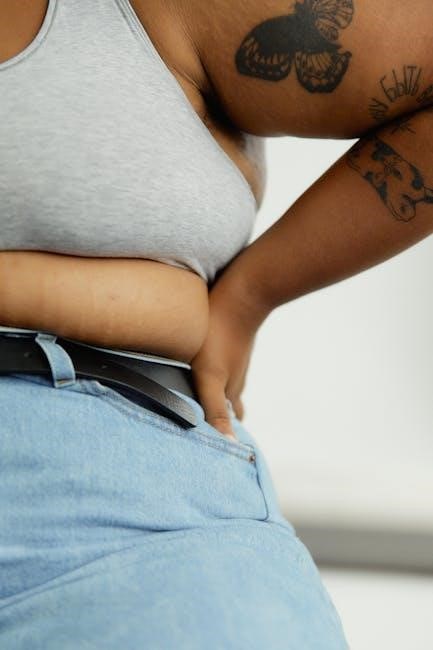
Your waist measurement is the cornerstone of finding well-fitting jeans. Unlike dress sizes, denim waist sizes often correlate directly with your actual waist circumference.
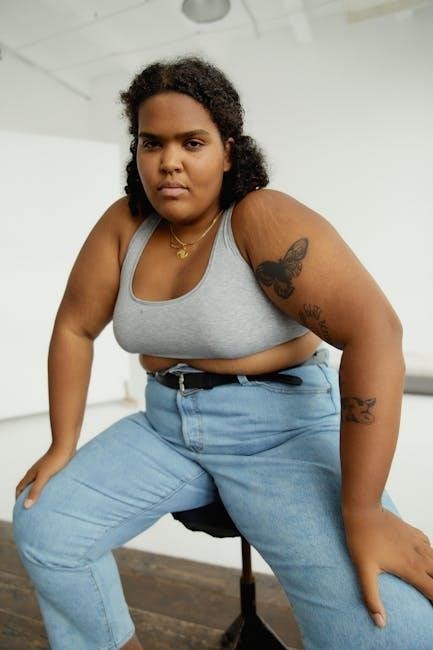
To accurately measure, use a flexible measuring tape. Stand relaxed, and measure around your natural waistline – typically the narrowest part of your torso, usually an inch or two above your belly button. Ensure the tape is snug but not tight, and keep it level all the way around.
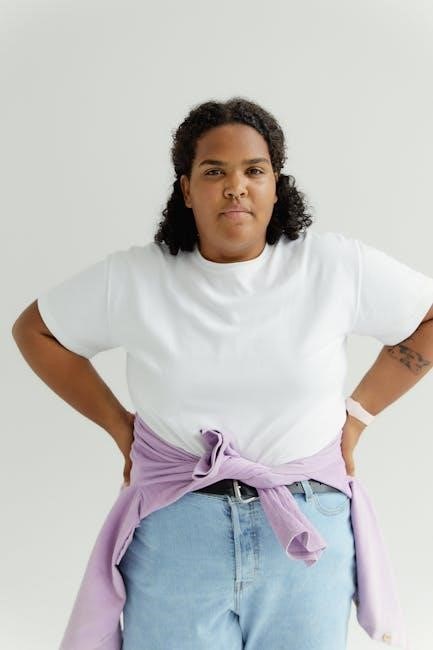
Don’t suck in your stomach or pull the tape too firmly, as this will result in an inaccurate measurement. Record the measurement in inches. Many brands will list waist sizes in inches (e.g., 28”, 30”, 32”).
Important Note: Vanity sizing can occur, meaning a size labeled “28” might actually fit a slightly larger waist. Always refer to the specific brand’s size chart for the most accurate guidance. Consider whether you prefer a higher or lower rise, as this can influence where the jeans sit on your waist and affect the fit.
Inseam Measurement: Length Matters
Determining your inseam is crucial for achieving the perfect jean length. This measurement dictates how the jeans fall on your shoes, impacting overall style and comfort.
The most accurate way to measure inseam is while wearing shoes similar to those you’ll typically pair with jeans. Have a friend assist you. Measure from the crotch seam down the inside of your leg to where you want the jeans to end – usually at the top of your shoe or with a slight break over the shoe.
Alternatively, you can measure a pair of well-fitting pants. Common inseam lengths range from 28” to 34”, but variations exist. Consider your height and preferred style. Shorter inseams create a cropped look, while longer inseams allow for stacking or covering more of the shoe.
Pro Tip: If you’re between sizes, it’s generally better to err on the side of a slightly longer inseam, as jeans can always be hemmed to your desired length. Check the brand’s size guide for specific inseam offerings.
Rise Measurement: Low, Mid, or High?
The rise of jeans refers to the distance from the crotch seam to the top of the waistband. This measurement significantly impacts fit, comfort, and how the jeans sit on your waist.
Low-rise jeans (typically under 9 inches) sit on the hips, creating a more revealing look. Mid-rise jeans (9-11 inches) are a versatile classic, hitting just below the natural waist. High-rise jeans (11 inches or higher) cinch the waist, offering a flattering and comfortable fit.
Consider your body shape and personal preference when choosing a rise. High-rise jeans can elongate the legs and define the waist, while low-rise jeans may suit those with shorter torsos. Mid-rise is a safe bet for most body types.
Important Note: Rise measurements can vary slightly between brands. Always check the product description or size chart to confirm the rise before purchasing. A comfortable rise is key to enjoying your denim!
Denim Fit Styles Explained
Different denim fits cater to various body types and style preferences. Understanding these styles – skinny, straight, bootcut, and wide leg – is crucial for finding your ideal pair.
Skinny Jeans: A Close Contour
Skinny jeans are defined by their tight fit from hip to ankle, creating a streamlined silhouette. They’re a modern staple, incredibly versatile and easily dressed up or down. However, achieving the right fit is key – too tight can be uncomfortable, while too loose loses the intended effect.
When selecting skinny jeans, pay close attention to the fabric composition. A little stretch (typically 1-3% elastane or spandex) enhances comfort and allows for movement. Consider the rise; a higher rise can be more flattering and comfortable, especially for those with longer torsos.
Look for a waistband that sits securely without digging in, and ensure there’s enough length to prevent bunching at the ankles. Skinny jeans pair well with various footwear, from sneakers and boots to heels. They often look best balanced with slightly looser tops to create a proportional look. Don’t be afraid to size up if you’re between sizes for optimal comfort!
Straight Leg Jeans: Classic and Versatile
Straight leg jeans offer a timeless silhouette, maintaining a consistent width from the hip to the ankle. This classic cut is incredibly versatile, suiting a wide range of body types and easily transitioning from casual to more polished looks. They are a foundational piece for any wardrobe.
When finding your perfect pair, focus on the fit through the hips and thighs. You want a comfortable, but not overly tight, fit. The leg opening should be straight, without significant tapering or flare. Pay attention to the rise; mid-rise is a universally flattering option, but high-rise can elongate the legs.

Consider the weight of the denim; lighter washes are ideal for warmer weather, while heavier weights provide more structure. Straight leg jeans pair beautifully with everything from t-shirts and sneakers to blouses and heels. Ensure the length is appropriate for your chosen footwear – a slight break or a clean hem are both stylish options.

Bootcut Jeans: Balancing Proportions
Bootcut jeans are characterized by a slight flare from the knee down, designed to accommodate boots – hence the name! However, they look fantastic with a variety of footwear, offering a balanced silhouette that’s particularly flattering for those with wider hips or thighs. They create a lovely hourglass shape.
Finding the right fit is crucial. The jeans should fit snugly through the hips and thighs, with the flare beginning below the knee. Avoid excessive flare, as it can appear dated. Pay close attention to the inseam; you’ll want enough length to cover most of your boot (if wearing them) or create a slight break over your shoes.
Bootcut jeans excel at lengthening the leg when paired with heels or boots. A higher rise can further enhance this effect. Darker washes tend to be more versatile and can be dressed up or down. Consider the overall proportion – a fitted top balances the wider leg opening beautifully.
Wide Leg Jeans: Modern and Relaxed
Wide leg jeans offer a contemporary and comfortable silhouette, characterized by a consistent width from the hip down to the hem. They’re a fantastic choice for those seeking a relaxed yet stylish look, providing ample room for movement and a fashion-forward vibe. This style is incredibly versatile!
When selecting wide leg jeans, focus on the waist and hip fit. They should sit comfortably on your waist without being too tight. The key is to avoid overwhelming your frame; a high-waisted style can help elongate your legs. Pay attention to the fabric weight – heavier denim will hold its shape better.
Styling wide leg jeans is all about balance. Pair them with a fitted top or a tucked-in blouse to define your waist. Heels or platforms can add height and prevent the jeans from dragging; Don’t be afraid to experiment with different lengths – cropped wide leg jeans are also very on-trend!

Brand-Specific Sizing Variations
Denim sizing isn’t universal! Each brand interprets measurements differently, leading to inconsistencies. Understanding these nuances is crucial for finding jeans that truly fit well.
Levi’s Denim Sizing
Levi’s, a denim icon, utilizes a numerical sizing system for waist measurements, often paired with a letter indicating inseam length. For example, a “32×30” signifies a 32-inch waist and a 30-inch inseam. However, Levi’s sizing can be particularly nuanced due to their vintage roots and evolving fits.

Historically, Levi’s fit looser, but modern cuts often run slimmer. Their website provides detailed size charts for each style – 501, 505, 511, 721, etc. – as fits vary significantly. Pay close attention to the “fit guide” specific to the jean you’re considering.
Notably, Levi’s also offers “Waist Size” and “Fit Size” options. “Waist Size” refers to the actual measurement, while “Fit Size” is their recommended size based on body measurements. Customer reviews frequently mention sizing up, especially in rigid denim, as it tends to shrink after washing. Always consult the specific product page for the most accurate guidance, and don’t hesitate to check the size recommendations provided by other buyers!
Wrangler Denim Sizing
Wrangler, renowned for its Western heritage, generally employs a standard waist and inseam sizing system, expressed in inches (e.g., 34×32). However, Wrangler’s sizing often caters to a more athletic build, particularly in their classic fits like the 13MWZ. This means they may fit differently compared to brands designed for a slimmer physique.
Wrangler offers various fits – Slim Fit, Regular Fit, Relaxed Fit, and Boot Cut – each with unique sizing characteristics. Their website provides comprehensive size charts, but it’s crucial to note that their sizing can run slightly larger than expected, especially in the waist.
Consider this: many customers recommend sizing down one inch in the waist for a more contemporary fit. Wrangler also utilizes a “X” sizing system for some women’s styles, indicating a specific body type. Always refer to the individual product’s size chart and read customer reviews to gauge the true fit. Don’t forget to account for potential shrinkage, especially with untreated denim!
Madewell Denim Sizing
Madewell has cultivated a loyal following thanks to its focus on quality denim and inclusive sizing. Their sizing is generally considered consistent, but understanding their specific approach is key. Madewell typically uses a numerical sizing system (24, 25, 26, etc.), corresponding to waist measurements in inches, though they also offer letter sizes (XS, S, M, L, XL).
A unique aspect of Madewell’s sizing is their detailed fit guides for each style. They clearly indicate whether a jean runs true to size, small, or large, and provide specific recommendations. Madewell also offers a wide range of inseam lengths, catering to various heights.
Pay attention to the fabric composition: styles with stretch will have more give than rigid denim. Customer reviews consistently highlight Madewell’s accurate size charts and helpful online fit finders. It’s always wise to double-check the measurements for your chosen style, as slight variations can occur between different washes and fits.
Tips for Accurate Online Denim Shopping
Shopping for jeans online requires a strategic approach! Utilize size charts, read reviews, understand your body, and accurately measure yourself for the best results.
Check the Brand’s Size Chart
Every denim brand approaches sizing a little differently. What you wear as a size 28 in one brand might be a 29 or even a 30 in another! Therefore, always begin your online denim journey by consulting the specific brand’s size chart.
These charts are typically found on the brand’s website, often linked near the product description. Don’t assume your usual size will fit; instead, meticulously compare your own measurements – waist and inseam are crucial – to the chart’s specifications.

Pay close attention to whether the chart uses raw denim measurements or finished garment measurements, as this can impact the fit. Some brands also provide guidance on how to measure yourself accurately, which is incredibly helpful.
Pro Tip: Download or screenshot the size chart for easy reference while browsing. Many brands even offer a “find your size” quiz, which can provide a personalized recommendation based on your inputs.
Read Customer Reviews
Customer reviews are a goldmine of information when shopping for jeans online! Real-life experiences can offer invaluable insights into how a particular style or size runs. Pay attention to comments regarding sizing – do reviewers suggest sizing up, down, or staying true to size?
Look for reviews from customers with similar body types to your own. Someone with a similar waist-to-hip ratio might have a more relevant experience. Filter reviews by size if possible, to quickly find feedback from people who purchased the size you’re considering.
Don’t just focus on the star rating; read the actual comments to understand why someone gave a particular rating. Were there issues with the fit, fabric quality, or color accuracy?
Remember: Reviews are subjective, but patterns can emerge. If multiple reviewers consistently mention a sizing issue, it’s a strong indicator to consider adjusting your size accordingly.
Consider Your Body Shape
Understanding your body shape is crucial for finding jeans that fit and flatter. Are you an hourglass, pear, apple, or rectangle shape? Different cuts complement different figures. For example, high-waisted styles often accentuate an hourglass figure, while bootcut jeans can balance wider hips (pear shape).
If you have a straighter figure, styles with detailing like pockets or whiskering can add curves. Apple shapes might prefer mid-rise jeans that don’t cinch at the waist. Don’t be afraid to experiment with different rises and washes to see what works best for your unique shape.
Think about where you carry your weight. Do you have a fuller bust, wider hips, or a more defined waist? Choosing jeans that accommodate these features will result in a more comfortable and flattering fit.
Ultimately, the best jeans are the ones that make you feel confident and comfortable, regardless of the “rules.”
Know Your Measurements (and have a friend help!)
Accurate measurements are your best friend when shopping for jeans, especially online. Grab a flexible measuring tape and enlist a friend for assistance – it’s difficult to measure yourself accurately! Measure your natural waist (the narrowest part of your torso) and your hip circumference at the fullest point.
Don’t pull the tape too tight; keep it comfortably snug. Also, measure your inseam – from your crotch to where you want the hem to fall with your preferred shoes. Comparing these measurements to the brand’s size chart is essential.
Remember that sizes can vary significantly between brands. A size 28 in one brand might fit differently in another. Having a friend help ensures the tape measure is level and provides a more accurate reading.
Keep these measurements handy for future purchases, and don’t hesitate to remeasure periodically, as your body can change over time!