The 4L60E’s manual valve body is crucial for proper gear selection and hydraulic control, often benefiting from Superior or TransGo kits.
What is the 4L60E Transmission?
The 4L60E is a four-speed automatic transmission widely utilized in General Motors vehicles from 1993 to 2005, known for its durability and adaptability. It’s found in a diverse range of cars and trucks, including Chevrolet, GMC, and Cadillac models. Understanding its internal components, like the manual valve body, is key to effective repair.
This transmission’s design allows for electronic control of shifting, enhancing performance and fuel efficiency. Proper function relies heavily on a well-maintained valve body, often addressed with Sonnax packs or complete rebuild kits.
Importance of the Manual Valve Body
The manual valve body within the 4L60E transmission is paramount for directing hydraulic fluid to the appropriate clutches and bands, enabling smooth and accurate gear changes. A malfunctioning valve body can cause harsh shifting, slippage, or even complete transmission failure.
Regular inspection and potential rebuild using kits from vendors like Superior or TransGo are crucial for maintaining optimal performance. Addressing valve body issues proactively prevents more extensive and costly repairs down the line.
Components of the 4L60E Manual Valve Body
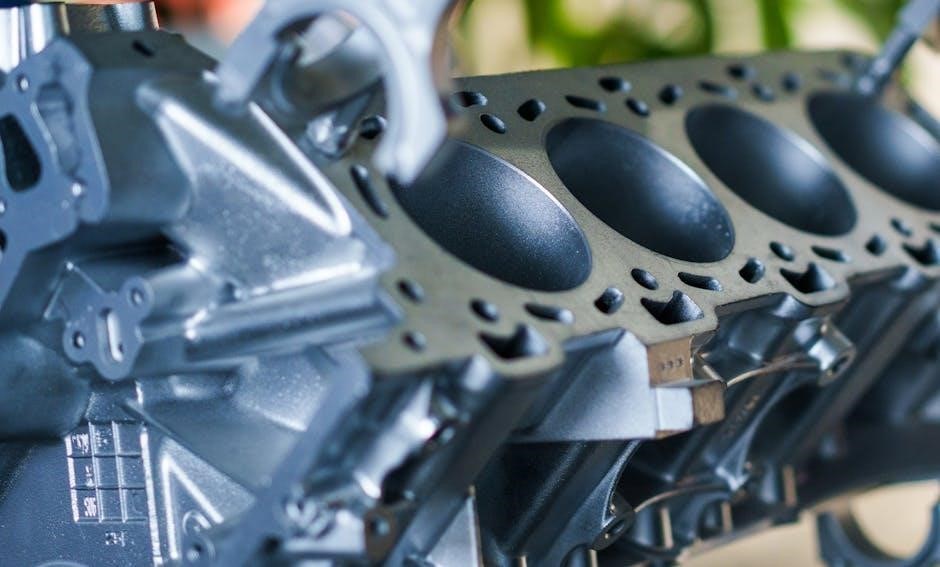
Key components include the housing, solenoids, springs, balls, check valves, and the manual valve itself, all working together for fluid control.
Valve Body Housing
The 4L60E valve body housing is a complex aluminum casting, serving as the foundational structure for all internal components. It contains intricate channels and passages crucial for directing transmission fluid to the appropriate clutches and servos. This housing must be free of cracks or warpage to ensure proper sealing and function. Damage to the housing often necessitates replacement rather than repair, as welding can compromise its integrity. Maintaining a clean and undamaged housing is paramount for reliable shifting performance and overall transmission health.
Solenoids and Their Functions
4L60E solenoids are electromechanical valves controlling fluid flow within the valve body, dictating gear changes. Key solenoids include the EPC (Estimated Pressure Control), 3-2 shift solenoid, and TCC (Torque Converter Clutch) solenoid. The EPC regulates line pressure, while the others manage specific gear shifts. Malfunctioning solenoids often cause erratic shifting or failure to shift at all. Replacement is typically recommended as a set, ensuring synchronized operation and optimal transmission performance. Proper testing with a scan tool is vital for accurate diagnosis.
Springs, Balls, and Check Valves
Within the 4L60E valve body, springs, balls, and check valves are essential for regulating fluid pressure and directing flow. Springs provide the force to return valves to their neutral positions, while balls act as sealing elements. Check valves ensure unidirectional fluid movement, preventing backflow. Wear or damage to these components disrupts hydraulic circuits, leading to shifting issues. Rebuild kits often include replacements for these small but critical parts, restoring proper valve body function and smooth gear engagement.
Manual Valve and Selector Shaft
The manual valve, controlled by the selector shaft, directly influences gear selection within the 4L60E transmission. The selector shaft’s position, dictated by the gear lever, moves the manual valve, routing fluid to different hydraulic circuits. Wear on the valve or shaft, or damage to associated seals, can cause imprecise shifting or stuck gears. Inspection and replacement, often included in rebuild kits, are vital for restoring accurate gear changes and overall transmission responsiveness.
Common 4L60E Valve Body Issues
Frequent problems include solenoid failures, worn valves and seals, contamination from debris, and reduced fluid pressure, impacting shift quality and performance.
Solenoid Failures
Solenoid malfunctions within the 4L60E valve body are a common issue, often stemming from electrical faults or internal wear. These solenoids control fluid flow for shifts, and failure leads to erratic shifting, delayed engagement, or complete loss of a gear. The EPC (Electronic Pressure Control), 3-2, and TCC (Torque Converter Clutch) solenoids are particularly prone to problems. Diagnostic tools can pinpoint faulty solenoids, and replacement is often part of a comprehensive valve body repair or rebuild, utilizing kits from suppliers like Superior.
Worn Valves and Seals
Over time, the valves and seals within the 4L60E manual valve body experience wear due to constant hydraulic pressure and fluid friction. This wear causes leaks, reduced pressure, and imprecise shifting. Worn valves may stick or not fully close, disrupting proper fluid routing. Damaged seals contribute to pressure loss, impacting overall transmission performance. A rebuild often involves replacing all valves, springs, and seals with new components from a master rebuild kit, ensuring proper function and sealing capabilities.
Contamination and Debris
The 4L60E valve body is highly susceptible to contamination from clutch material, metal shavings, and general debris circulating within the transmission fluid. These particles restrict fluid flow through narrow passages, causing valve stiction and erratic shifting. Even small amounts of debris can significantly impact performance. Thorough cleaning during a rebuild is essential, utilizing specialized cleaning solvents and compressed air to remove all contaminants. Installing a high-quality filter helps prevent future debris buildup, protecting the valve body.
Low Fluid Pressure Impact
Insufficient fluid pressure severely compromises the 4L60E valve body’s functionality, leading to delayed or missed shifts. Low pressure can stem from a failing pump, worn seals, or restricted lines. The valve body relies on precise hydraulic forces to actuate solenoids and valves; reduced pressure weakens these forces. This results in improper clutch engagement and transmission slippage. Diagnosing and rectifying the underlying cause of low pressure is paramount before addressing valve body issues, ensuring optimal performance and longevity.
Diagnosing 4L60E Valve Body Problems
Effective diagnosis involves shift quality analysis, scan tool data review, fluid inspection, and precise pressure testing to pinpoint valve body faults.
Shift Quality Analysis
A thorough shift quality analysis is the first step in diagnosing 4L60E valve body issues. Pay close attention to how the transmission engages each gear – are shifts firm, soft, delayed, or erratic? Harsh or abrupt shifts often indicate stuck valves or worn components within the valve body. Conversely, slipping or delayed engagement suggests low hydraulic pressure or failing solenoids. Note any unusual noises during shifts, as these can provide valuable clues. Observing these patterns helps narrow down the potential source of the problem, guiding further diagnostic steps.
Scan Tool Diagnostics
Utilizing a scan tool is vital for diagnosing 4L60E valve body problems. Retrieve any Diagnostic Trouble Codes (DTCs) related to the transmission, specifically those concerning solenoid performance or hydraulic issues. Monitor live data streams, focusing on Transmission Fluid Temperature (TFT) and solenoid duty cycles. Abnormal readings can pinpoint malfunctioning solenoids or internal valve body leaks. Some scan tools can even initiate solenoid tests, verifying their responsiveness. Correlating DTCs with live data provides a comprehensive assessment of the valve body’s operation.
Fluid Condition Inspection
A thorough fluid inspection is essential when diagnosing 4L60E valve body issues. Check the fluid’s color and smell; a burnt odor or dark, murky appearance indicates potential internal damage or contamination. Look for metal particles or debris, signaling worn components within the valve body or transmission. Excessive clutch material suggests internal wear. Ensure the fluid level is correct, as low fluid pressure can exacerbate valve body problems. Contaminated fluid restricts valve movement and hinders proper hydraulic function, leading to shifting issues.
Pressure Testing Procedures
Accurate pressure testing is vital for diagnosing 4L60E valve body malfunctions. Connect a pressure gauge to the appropriate test ports while the engine is running and in gear. Compare readings against the manufacturer’s specifications for each gear. Low pressure can indicate a faulty valve body, worn pump, or internal leaks. Fluctuating pressures suggest valve sticking or solenoid issues. Proper testing isolates the problem, confirming if the valve body requires rebuilding or replacement, ensuring accurate repair.
4L60E Valve Body Rebuild Kits
Superior, TransGo, and Sonnax offer comprehensive 4L60E rebuild kits, including solenoids, springs, and seals for complete valve body restoration.
Superior Valve Body Kits
Superior offers specialized 4L60E valve body kits designed for various performance levels and common failure points. These kits frequently include upgraded solenoids, reinforced valve body components, and improved check valves to enhance durability and shift quality. They cater to both stock applications and high-horsepower builds, addressing issues like harsh shifting or delayed engagement. Superior kits often focus on correcting factory design flaws, providing a reliable solution for long-term transmission health. Availability varies, requiring direct inquiry for current pricing and specific kit contents, as noted in online resources.
TransGo Shift Kits and Repair Kits
TransGo provides comprehensive 4L60E shift kits and valve body repair solutions, known for their robust construction and performance enhancements. These kits typically include modified valve body components, shift springs, and spacers to adjust shift points and firmness. TransGo kits address common issues like soft or erratic shifting, offering improved control and responsiveness. They are widely available and popular among both DIY mechanics and professional transmission builders, with many units selling monthly, as indicated by online vendor data.
Sonnax Performance Packs
Sonnax offers specialized performance packs for the 4L60E valve body, focusing on enhanced durability and improved hydraulic efficiency. These packs often include upgraded components like the 3-4 relay o-ringed end plug kit (Part No. 77964-08K), addressing common failure points. Sonnax solutions are designed to withstand increased stress from performance modifications, providing smoother shifts and extended transmission life. They are a favored choice for builds requiring high reliability and consistent performance, often used in conjunction with complete rebuilds.
Master Rebuild Kit Contents
A comprehensive 4L60E master rebuild kit typically includes friction and steel plate sets, along with gaskets and seals – often excluding pistons. These kits aim to restore the valve body to original operating condition. Superior kits are readily available, and complete overhaul kits cover most internal components. Expect to find replacement O-rings, seals, and potentially new solenoids. Some kits may require separate purchase of pistons or clutch piston lip seals for a truly complete restoration.
4L60E Valve Body Rebuild Process
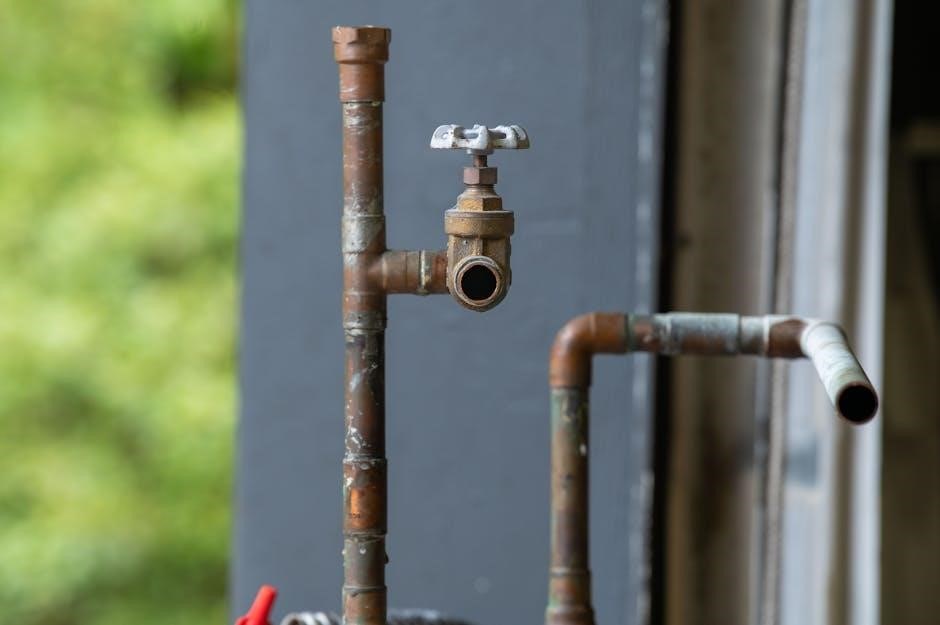
Rebuilding involves careful disassembly, thorough cleaning, solenoid replacement, and meticulous valve and spring replacement to ensure smooth shifting performance.
Disassembly and Inspection
Begin the 4L60E valve body rebuild by carefully disassembling the unit, noting the location of each component—solenoids, valves, springs, and balls. Thoroughly inspect all parts for wear, cracks, or damage. Pay close attention to valve bores and sealing surfaces. Check solenoids for proper electrical resistance and mechanical function. Examine the valve body housing for any warping or fractures. Document any findings, as this will guide replacement part selection. A meticulous inspection process is vital for a successful rebuild, ensuring accurate diagnosis and repair.
Cleaning and Preparation
After disassembly, meticulously clean all 4L60E valve body components. Use a suitable solvent designed for automatic transmission parts to remove old fluid, debris, and varnish. Avoid abrasive cleaners that could damage precision surfaces. Thoroughly flush all passages within the valve body housing to eliminate any remaining contaminants. Ensure all parts are completely dry before reassembly. A clean working environment is essential to prevent re-contamination during the rebuild process, guaranteeing optimal hydraulic function.
Solenoid Replacement
During a 4L60E valve body rebuild, replacing solenoids is often necessary, especially if diagnostics indicate failures. Carefully remove the old solenoids, noting their original positions. Before installing new solenoids, inspect the bores for damage or debris. Lubricate the new solenoid O-rings with transmission fluid before insertion. Ensure proper electrical connections are made, verifying correct polarity and secure fit. Using a master solenoid kit ensures compatibility and reliable shifting performance.
Valve and Spring Replacement
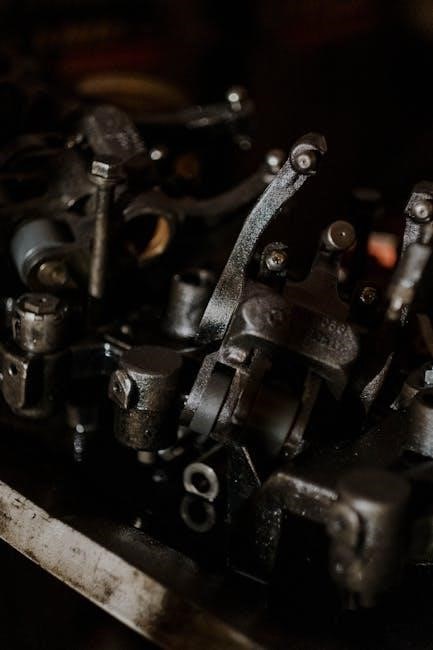
When rebuilding a 4L60E valve body, replacing valves and springs is vital for restoring accurate hydraulic control. Inspect each valve for wear, scoring, or sticking. Utilize a valve body tool to compress springs safely during removal and installation. Ensure new springs are the correct length and rate. Lubricate valves with clean transmission fluid before assembly. A rebuild kit, like those from Superior, typically includes a complete set of valves and springs for a comprehensive repair.
4L60E Valve Body Installation
Proper torque specifications are essential during 4L60E valve body installation, alongside a careful fluid level check and thorough post-installation testing procedures.
Proper Torque Specifications
Achieving correct torque on 4L60E valve body bolts is paramount for preventing leaks and ensuring optimal hydraulic pressure. Specifications vary based on bolt size and location; consult a reliable service manual for precise values.
Generally, valve body bolts require torque in the range of 10-20 ft-lbs, but always verify. Under-torquing can lead to fluid seepage, while over-torquing risks damaging the valve body housing.
Using a calibrated torque wrench is crucial for accuracy, and a cross-hatch tightening pattern should be followed to distribute clamping force evenly across the valve body.
Fluid Level Check and Adjustment
Post-installation, verifying the correct transmission fluid level is essential for 4L60E valve body functionality. With the engine running and transmission in Park or Neutral, check the fluid level using the dipstick, ensuring it falls within the “hot” range.
Add fluid as needed, using the correct Dexron specification.
Low fluid levels can cause slipping and harsh shifts, while overfilling can create aeration and reduce hydraulic efficiency. Regularly inspect for leaks after installation and adjustment to maintain optimal performance.
Post-Installation Testing
Thorough testing after 4L60E valve body installation is vital. Begin with a static check for leaks around the valve body and lines. Then, perform a road test, evaluating shift quality through all gears – ensuring smooth, firm, and timely engagement.
Monitor for any unusual noises or slipping.
Utilize a scan tool to observe transmission temperatures and check for any trouble codes. Confirm proper TCC (Torque Converter Clutch) operation during cruising speeds for optimal performance and longevity.

4L60E Valve Body Modifications and Upgrades
Performance valve bodies, Sonnax packs, and upgraded solenoids enhance shift firmness and reliability, offering tailored adjustments for various driving styles.
Performance Valve Body Options
Several companies specialize in high-performance 4L60E valve bodies, designed to withstand increased power and deliver firmer, more precise shifts. Options range from modified stock valve bodies to fully billet aluminum units. Sonnax offers performance packs targeting specific issues, like improved 3-4 clutch apply. Superior provides complete valve body assemblies with enhanced features. These upgrades often include aggressive shift profiles, improved cooling, and increased hydraulic capacity, making them ideal for racing or heavily modified vehicles. Choosing the right option depends on your power level and desired driving experience.
Solenoid Upgrade Considerations
When upgrading 4L60E solenoids, consider your transmission’s application and performance goals. Stock solenoids can wear and become less responsive, leading to poor shift quality. Upgraded solenoids, like those in a master solenoid kit, offer improved flow and precision. EPC solenoids are particularly prone to failure and benefit from replacement. Ensure compatibility with your valve body and PCM. Some kits include updated wiring harnesses for a reliable connection. Properly functioning solenoids are vital for accurate gear changes and overall transmission health.
Shift Kit Adjustments
TransGo shift kits for the 4L60E often require precise adjustments to modify shift points and firmness. These adjustments typically involve changing separator plate orifices and spring pressures within the valve body. Incorrect settings can lead to harsh or soft shifts, or even transmission damage. Carefully follow the kit’s instructions and utilize a pressure gauge to verify proper operation. Modifying valve body parameters impacts shift quality, so methodical adjustments are crucial for optimal performance and longevity of the transmission.

Tools Required for 4L60E Valve Body Work
Specialized valve body tools, alongside standard automotive sets, are essential for disassembly, cleaning, and precise solenoid/valve replacement during 4L60E rebuilds.
Specialized Valve Body Tools
Successfully tackling a 4L60E valve body rebuild demands specific tools beyond a standard mechanic’s set. These include a valve body housing tool for secure work, solenoid removal tools for safe extraction, and specialized spring compressors. Internal snap ring pliers are vital for valve disassembly, alongside a bore gauge to check for wear.
Furthermore, a good set of Torx bits is crucial, as many components utilize this fastener type. Pressure testing tools, like a manual pump and gauge kit, are essential for verifying proper function post-rebuild; Investing in these tools ensures accurate work and prevents damage to delicate parts.
Standard Automotive Tools
Alongside specialized tools, a comprehensive set of standard automotive tools is necessary for a 4L60E valve body project. This includes a full socket set, both metric and standard, along with various wrenches and screwdrivers. A torque wrench is critical for achieving proper tightening specifications during reassembly, preventing leaks and damage.
Pliers, including needle-nose and snap-ring pliers, are also essential. Don’t forget a good set of punches and a hammer for gentle persuasion when needed. Finally, cleaning supplies like parts cleaner and brushes are vital for a successful rebuild.

Resources for 4L60E Valve Body Information
Online forums, technical manuals, and vendor websites like Sonnax offer invaluable data for 4L60E valve body diagnosis and repair procedures.
Online Forums and Communities
Numerous online forums dedicated to automotive transmissions, particularly those focusing on General Motors vehicles, serve as excellent resources for 4L60E valve body information. These communities host experienced enthusiasts and professional technicians who readily share diagnostic tips, repair procedures, and insights into common issues. Members often discuss specific rebuild kits from brands like Superior and TransGo, detailing their experiences and offering advice on installation and performance. Participating in these forums allows for direct interaction with knowledgeable individuals, providing a platform to ask questions, troubleshoot problems, and learn from others’ successes and failures related to 4L60E valve body work.
Technical Service Manuals
Genuine GM technical service manuals are indispensable for comprehensive 4L60E valve body repair and rebuild information. These manuals provide detailed diagrams, step-by-step instructions, torque specifications, and diagnostic flowcharts specifically for the transmission. They cover complete disassembly, inspection procedures, solenoid testing, and valve body reassembly. While potentially costly, these manuals offer the most accurate and reliable guidance, ensuring repairs are performed to factory standards. Supplementing these with specialized guides focusing on upgrades, like those from Sonnax, can further enhance understanding.
Vendor Websites and Support
Several vendors specialize in 4L60E transmission components and offer valuable support resources. Superior, TransGo, and Sonnax websites provide detailed product information, technical articles, and installation guides for valve body kits and rebuild components. Many offer direct technical support via phone or email, assisting with parts selection and troubleshooting. Online forums often feature vendor representatives answering questions. Checking these resources before starting a rebuild ensures access to expert advice and the latest product updates.
Cost of 4L60E Valve Body Repair or Replacement
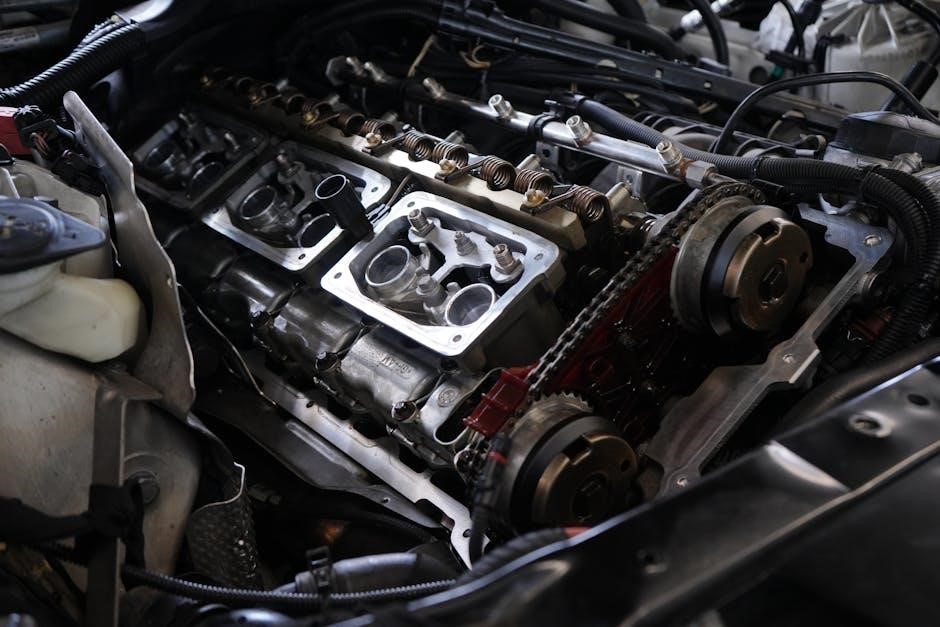
Repair costs vary; DIY rebuilds are cheaper, while professional services or new/remanufactured valve bodies increase expenses significantly.
DIY vs. Professional Repair
Attempting a 4L60E valve body repair yourself can save substantial money, especially with readily available rebuild kits from vendors like Superior and TransGo. However, it demands significant mechanical aptitude, specialized tools, and a clean workspace. Incorrect assembly can lead to further transmission damage.
Professional repair offers expertise and diagnostic accuracy, ensuring proper function. While more expensive upfront, it minimizes risks and often includes a warranty. Consider your skill level and the potential consequences before deciding between DIY and professional service.
New vs. Remanufactured Valve Bodies
Choosing between a new and remanufactured 4L60E valve body involves a cost-benefit analysis. New valve bodies offer guaranteed quality and longevity but come with a higher price tag. Remanufactured units, often sourced from reputable vendors, provide a more affordable option.
Remanufactured valve bodies undergo inspection, cleaning, and replacement of worn components. Ensure the remanufacturer offers a warranty. Consider your budget and desired level of reliability when making your decision; both can be viable solutions.