Hayman Reese Guardian IQ Brake Controller User Manual: A Comprehensive Guide
This detailed manual offers complete guidance on the Hayman Reese Guardian IQ, encompassing installation, operation, troubleshooting, and essential maintenance procedures for optimal performance.
The Hayman Reese Guardian IQ is a state-of-the-art proportional brake controller designed to ensure safe and efficient towing. This controller seamlessly integrates with your vehicle’s braking system, applying proportional braking force to your trailer based on the vehicle’s deceleration. It’s engineered for 1, 2, and 3 axle brake systems, offering versatility for various towing needs.
Featuring “plug & tow” technology, the Guardian IQ simplifies installation with pre-assembled wiring harnesses and a snap-in dash mounting kit. This allows for easy installation and quick disconnects, making it user-friendly for both professional installers and DIY enthusiasts. The IQ’s advanced functionality provides a superior towing experience, enhancing safety and control on the road.
This manual will guide you through every aspect of the Guardian IQ, from initial setup to troubleshooting, ensuring you maximize its benefits.
What is a Brake Controller and Why is it Important?
A brake controller is a vital safety component when towing a trailer with electric brakes. It manages the electrical signal sent to the trailer’s brakes, synchronizing them with the vehicle’s braking system. Without a properly functioning brake controller, the trailer’s brakes may not engage effectively, leading to extended stopping distances and potentially dangerous situations.
The Hayman Reese Guardian IQ ensures the trailer brakes apply proportionally to the vehicle’s braking effort. This proportional braking is crucial for maintaining stability and control, especially during emergency stops or when descending steep inclines. It prevents trailer sway and reduces the risk of jackknifing.
Essentially, a brake controller like the Guardian IQ transforms towing into a safer, more controlled experience, protecting both the vehicle and the trailer.

Installation Process
Proper installation is critical for optimal performance. This involves securing the control head, connecting the wiring harness, and grounding the system according to the provided instructions.
Tools Required for Installation
Before commencing the installation of your Hayman Reese Guardian IQ brake controller, ensure you have gathered all the necessary tools. This will streamline the process and prevent frustrating interruptions. A standard screwdriver set, including Phillips head and flathead options, is essential for securing mounting brackets and making electrical connections.
Wire strippers and crimpers are crucial for preparing and connecting the wiring harness effectively. A multimeter will be invaluable for verifying electrical continuity and voltage levels, ensuring proper functionality. You may also require a drill with a 25mm drill bit if a suitable grommet hole isn’t readily available for routing the power input harness.
Additionally, have electrical tape on hand for insulating connections, and zip ties for neat cable management. Protective eyewear is recommended when drilling, and a flashlight can aid visibility in confined spaces. Finally, a socket set might be needed depending on your vehicle’s specific mounting requirements.
Wiring Harness Connection – Step-by-Step
Begin by carefully identifying the vehicle’s brake light circuit wire, typically located behind the dashboard. Connect the white wire from the Guardian IQ harness to this circuit; this provides power when the brakes are applied. Next, connect the black wire to a reliable chassis ground, ensuring a secure and corrosion-free connection.
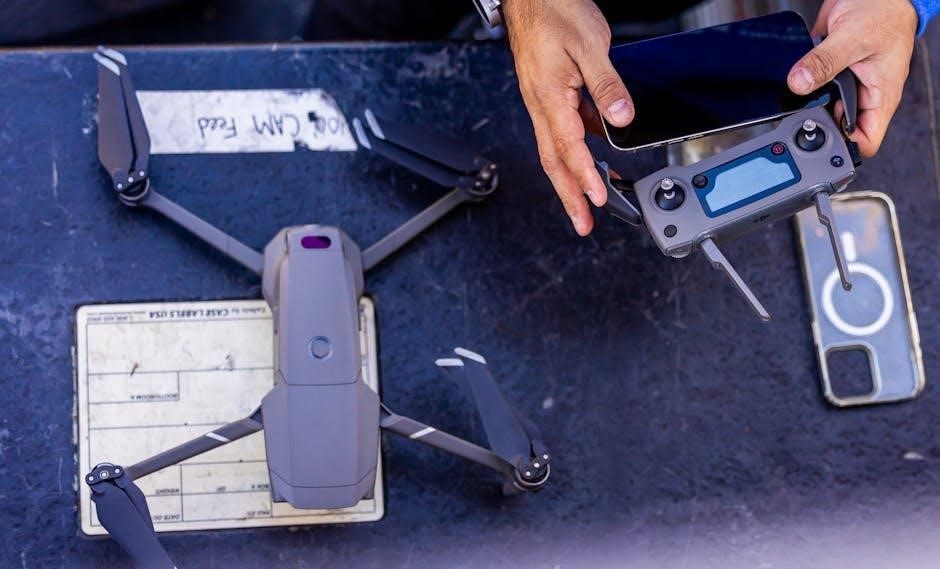
The red wire requires connection to a switched 12V power source, activated with the ignition. Locate the appropriate wire and connect securely. Ensure all connections are properly crimped or soldered and insulated with electrical tape. Route the harness neatly, avoiding sharp edges and moving parts.
Double-check all connections against the wiring diagram before proceeding. A pre-assembled wiring harness simplifies this process, offering plug-and-play convenience for many vehicles. Proper wiring is critical for safe and reliable operation.
Mounting the Control Head
The Hayman Reese Guardian IQ control head is designed for convenient and accessible placement within the vehicle cabin. Utilizing the included snap-in dash mounting kit, select a location that allows for easy operation without obstructing the driver’s view or interfering with vehicle controls.
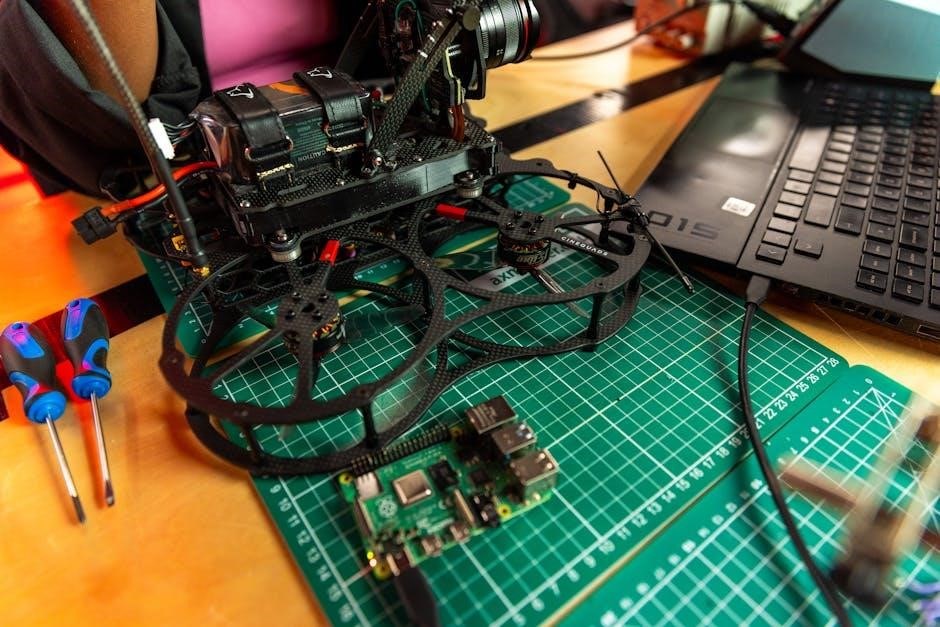
Ensure the mounting surface is clean and free of debris before attaching the bracket. The kit typically includes screws and mounting plates to accommodate various dashboard configurations. Carefully align the control head with the bracket and snap it securely into place.
Consider the length of the wiring harness when choosing a location. A quick disconnect feature allows for easy removal of the control head if needed. Verify the control head is firmly mounted and does not rattle during vehicle operation.
Connecting to the Vehicle’s Electrical System
Proper connection to the vehicle’s electrical system is crucial for the Guardian IQ’s functionality. Route the power input harness through a vacant grommet hole in the firewall, or carefully drill a 25mm hole if necessary, ensuring no existing wiring is damaged. Connect the power wire to a switched 12V source – one that activates with the ignition – to provide power only when the vehicle is running.
Identify the vehicle’s brake light wire; this will trigger the brake controller when the brake pedal is pressed. Connect the corresponding wire from the harness to this brake light circuit.
Always consult your vehicle’s wiring diagram for accurate identification. Secure all connections with appropriate connectors and ensure they are well-insulated to prevent shorts.
Grounding the System – Best Practices
Establishing a solid ground connection is paramount for the reliable operation of the Hayman Reese Guardian IQ. Locate a clean, unpainted metal surface on the vehicle’s chassis, as close to the brake controller as possible. Avoid grounding to plastic components or body panels.
Use a heavy-gauge wire (typically 12AWG or larger) for the ground connection, ensuring it’s securely fastened with a suitable ring terminal. Scrape away any paint or corrosion to expose bare metal before attaching the terminal.
A poor ground can cause erratic braking, LED indicator issues, or complete controller failure. Double-check the connection for tightness and conductivity.

Operation and Functionality

The Guardian IQ utilizes proportional braking, offering smooth and controlled stopping power; understanding the control head interface and adjusting settings is crucial for safe towing.

Understanding the Control Head Interface
The Hayman Reese Guardian IQ control head features an intuitive interface designed for ease of use while driving. The primary components include the power indicator light, which confirms the unit is receiving power from the vehicle’s electrical system. A crucial element is the gain control, allowing adjustment of braking force proportional to the vehicle’s deceleration.
The interface also incorporates a sensitivity adjustment, fine-tuning the controller’s response to initial brake application. LED indicators display the brake status – whether the trailer brakes are applied, and the level of application. The manual override function, a prominent button, provides independent trailer brake control, useful in emergency situations or for testing.
Familiarizing yourself with these controls before towing is essential. The display clearly shows the current brake output level, aiding in precise adjustments. Proper understanding ensures optimal braking performance and enhances towing safety.
Proportional Braking Explained
Proportional braking, the core function of the Hayman Reese Guardian IQ, synchronizes trailer brake force with the vehicle’s braking intensity. Unlike traditional systems, it doesn’t apply a fixed braking level. Instead, the controller monitors the vehicle’s deceleration and applies a corresponding amount of braking force to the trailer.
This ensures smoother, more controlled stops, minimizing trailer sway and enhancing stability. The ‘gain’ setting dictates the proportionality – a higher gain means more trailer brake force for a given vehicle deceleration.
The IQ utilizes sophisticated electronics to achieve precise proportional control, reacting in real-time to changing driving conditions. This system significantly improves safety and reduces wear and tear on both the towing vehicle and the trailer’s braking system, offering a superior towing experience.
Manual Override Function – When and How to Use
The Hayman Reese Guardian IQ features a manual override function, providing independent control of the trailer brakes, crucial in specific scenarios. This is particularly useful for situations demanding increased stopping power, such as descending steep grades or encountering emergency braking needs.
To activate, simply push and hold the manual override button on the control head. The level of braking force is directly proportional to the pressure applied to the button. Release the button to return to proportional braking mode.
Caution: Use manual override judiciously, as excessive braking can lead to trailer instability. It’s intended for temporary, controlled applications, not as a replacement for the proportional braking system.
Adjusting the Brake Gain – Initial Setup
Proper brake gain adjustment is vital for safe and effective towing with the Hayman Reese Guardian IQ. Initial setup should occur on a flat, open surface, free of traffic. Begin with the gain control set to its lowest position. Gradually increase the gain while slowly applying the vehicle brakes at a consistent speed – around 30 mph (50 km/h).
Observe the trailer’s braking response. The goal is to achieve braking that is proportionate to the vehicle, without the trailer overtaking or lagging significantly. Adjust the gain until the trailer brakes smoothly and in sync with the tow vehicle.
Fine-tune adjustments may be needed based on load and road conditions.
Setting the Response Sensitivity
The Hayman Reese Guardian IQ’s response sensitivity dictates how quickly the trailer brakes engage when the vehicle brakes are applied. Adjusting this setting allows for customization based on towing preferences and trailer characteristics. Lower sensitivity provides a smoother, more gradual braking response, ideal for lighter loads or situations demanding finesse.
Higher sensitivity delivers a quicker, more assertive braking action, suitable for heavier trailers or emergency stops. Experiment with different sensitivity levels during initial setup to determine the optimal setting for your specific setup.
Consider road conditions and driving style when making adjustments. A responsive system enhances safety and control.

Troubleshooting Common Issues
This section details solutions for typical problems, including power failures, brake engagement issues, erratic performance, LED indicators, and electrical interference.
Brake Controller Not Powering On
If the Hayman Reese Guardian IQ brake controller fails to power on, begin by verifying the primary power connection. Ensure the inline fuse within the power wire harness is intact and hasn’t blown due to a surge or short circuit. Replace the fuse with one of the exact same amperage rating.
Next, confirm the controller is receiving power from the vehicle’s electrical system. Use a multimeter to test the voltage at the power input wire; it should match the vehicle’s battery voltage (typically 12V). Check the ground connection – a loose or corroded ground can prevent operation. Inspect the wiring harness for any damage, such as frayed wires or disconnected connectors.
Finally, review the installation instructions to confirm the power wire was connected to a switched power source, meaning it only receives power when the ignition is on. If all connections are secure and the fuse is good, consult a qualified auto electrician for further diagnosis.
No Brakes Engaging – Diagnostic Steps
If the trailer brakes aren’t engaging despite the controller displaying activity, systematically check several components. First, verify the emergency breakaway cable is disconnected; an engaged breakaway switch overrides the controller. Next, inspect the trailer’s brake wiring and connections for corrosion or damage, ensuring a solid connection to the trailer brakes themselves.
Confirm the brake gain setting on the Guardian IQ isn’t set too low – gradually increase it while observing brake response. Test the manual override function; if the brakes engage with manual activation, the issue likely lies with the proportional control circuit.
Check the vehicle’s brake light circuit; a faulty signal can prevent the controller from receiving the necessary activation signal. If problems persist, inspect the trailer’s brake drums or rotors for wear or damage.
Erratic Braking Performance
Inconsistent or jerky braking can stem from several sources, requiring methodical investigation. Begin by verifying all wiring connections – both at the controller and the trailer – are secure and free from corrosion. Loose connections can cause intermittent signals. Next, assess the trailer’s brake drums or rotors for uneven wear or damage, as imbalances can lead to erratic behavior.
Fluctuations in the vehicle’s electrical system can also contribute; check for voltage drops or interference. Experiment with adjusting the response sensitivity setting on the Guardian IQ; a lower setting might smooth out overly aggressive braking.
Ensure the brake gain is appropriately set for the load; excessive gain can cause grabbing, while insufficient gain results in weak braking.
LED Indicator Light Meanings
The Hayman Reese Guardian IQ utilizes a series of LED indicators to communicate system status. A solid green light signifies normal operation, indicating a stable connection to the vehicle and trailer brakes. A flashing green light suggests the controller is in a learning mode or actively adjusting to braking forces.
A solid red light typically denotes an error condition, such as a short circuit or open connection in the trailer wiring. A flashing red light may indicate an overload or a fault within the controller itself.
An amber light often signals a low voltage situation or a potential issue with the trailer’s electrical system. Refer to the full troubleshooting section for specific error code interpretations and corrective actions.
Resolving Electrical Interference
Electrical interference can sometimes disrupt the Hayman Reese Guardian IQ’s performance, leading to erratic braking. First, ensure all wiring connections are secure and properly grounded, minimizing potential noise. Check for nearby sources of interference, such as aftermarket lights or audio equipment, and consider relocating the controller if necessary.
Utilizing shielded wiring harnesses during installation can significantly reduce susceptibility to electromagnetic interference. If interference persists, a ferrite choke installed on the power supply wire may help filter out unwanted noise.
Verify the vehicle’s electrical system is functioning correctly, as voltage fluctuations can also cause issues. Consult a qualified auto electrician if problems continue.

Maintenance and Care
Regular cleaning, wiring inspections, and staying current with software updates ensure the Hayman Reese Guardian IQ brake controller functions reliably for years.
Cleaning the Control Head
Maintaining a clean control head is crucial for optimal visibility and functionality of your Hayman Reese Guardian IQ brake controller. Dust, grime, and fingerprints can obscure the display and potentially affect button responsiveness over time. To clean the control head, always disconnect the vehicle’s power source to prevent accidental activation or electrical damage.
Use a soft, lint-free cloth lightly dampened with a mild detergent solution – avoid abrasive cleaners or solvents, as these can damage the plastic casing and sensitive electronic components. Gently wipe the surface of the control head, paying attention to the display screen and button areas. Ensure no liquid enters the internal components.
For stubborn marks, a slightly dampened cotton swab can be used to carefully clean around the buttons. After cleaning, use a dry, lint-free cloth to thoroughly dry the control head before reconnecting the power. Regular cleaning, ideally every few months or as needed, will help preserve the appearance and performance of your brake controller.
Inspecting Wiring Connections
Regularly inspecting the wiring connections of your Hayman Reese Guardian IQ brake controller is vital for ensuring reliable operation and preventing potential electrical issues. Over time, vibrations and environmental factors can loosen connections, leading to intermittent performance or complete failure. Begin by visually examining all wiring harnesses for signs of damage, such as fraying, cracking, or corrosion.
Carefully check each connection point – at the control head, the vehicle’s electrical system, and the trailer connector – ensuring they are secure and free from corrosion. Gently tug on each wire to confirm it is firmly seated in its connector. If corrosion is present, disconnect the connector and clean the terminals with a specialized electrical contact cleaner.
Re-secure any loose connections and consider using dielectric grease to protect against future corrosion. A thorough inspection, performed at least annually or before long journeys, will help maintain the integrity of your braking system.
Software Updates and Compatibility
Maintaining up-to-date software on your Hayman Reese Guardian IQ brake controller is crucial for optimal performance and compatibility with modern vehicles. Hayman Reese periodically releases software updates to enhance functionality, address potential bugs, and improve compatibility with newer vehicle electrical systems. Check the official Hayman Reese website regularly for available updates and detailed instructions on how to install them.
The update process typically involves downloading the software to a compatible device, such as a USB drive, and then connecting it to the brake controller. Always follow the provided instructions carefully to avoid interrupting the update process, which could potentially damage the unit.
Ensure your vehicle’s electrical system is compatible with the Guardian IQ before installation. Compatibility information is available on the Hayman Reese website or through authorized dealers.
Long-Term Storage Recommendations
Proper storage of your Hayman Reese Guardian IQ brake controller when not in use is essential to ensure its longevity and continued functionality. If storing the unit for an extended period, disconnect it completely from the vehicle’s electrical system to prevent battery drain and potential corrosion. Clean the control head thoroughly with a soft, dry cloth to remove any dust or debris before storage.
Store the controller in a cool, dry environment, away from direct sunlight, extreme temperatures, and moisture. A climate-controlled indoor space is ideal. Avoid storing the unit in areas prone to vibration or impact.
Consider using a protective case or bag to shield the controller from physical damage during storage. Periodically inspect the wiring harness for any signs of wear or damage.

Safety Precautions
Always prioritize safety during installation and operation; improper use can lead to accidents. Disconnect the vehicle battery and follow all wiring instructions carefully for secure operation.
Important Safety Warnings
Prior to commencing any installation or operation of the Hayman Reese Guardian IQ brake controller, carefully review these critical safety warnings. Disconnecting the vehicle’s battery is paramount to prevent accidental short circuits and potential electrical hazards during wiring procedures. Ensure all connections are secure and properly insulated to avoid fire risks.
Never exceed the vehicle’s Gross Vehicle Mass (GVM) or Gross Combination Mass (GCM) when towing. Incorrect brake controller settings can compromise braking performance, leading to loss of control. Regularly inspect the wiring harness for damage and replace any compromised components immediately.
Always test the brake controller functionality in a safe, open area before embarking on a journey. Familiarize yourself with the manual override function and its appropriate usage in emergency situations. Improper installation or modification voids the warranty and may create dangerous operating conditions. Seek professional assistance if you are unsure about any aspect of the installation or operation.
Hayman Reese accepts no liability for damages or injuries resulting from improper installation, operation, or modification of the Guardian IQ brake controller. This manual provides guidance, but professional installation is recommended to ensure compliance with local regulations and vehicle manufacturer specifications.
The information contained herein is subject to change without notice. Hayman Reese reserves the right to modify the design and functionality of the product. Users are responsible for verifying the compatibility of the brake controller with their specific vehicle and trailer.
This product is covered by a limited warranty against defects in materials and workmanship. The warranty does not extend to damage caused by misuse, neglect, or unauthorized repairs. All legal disputes shall be governed by the laws of the relevant jurisdiction. By using this product, you agree to these terms and conditions.