Understanding Diverticulosis and Diverticulitis
Diverticular disease encompasses diverticulosis – having pouches in the colon – and diverticulitis, when these pouches become inflamed or infected, often linked to diet.
Diverticulosis develops when small pouches form in the colon wall; a high-fiber diet is often recommended to manage this condition and promote healthy bowel function.
Diverticulitis arises from inflammation or infection of these pouches, potentially triggered by various factors, though a fiber-rich diet can aid in prevention and symptom management.
What is Diverticulosis?
Diverticulosis signifies the presence of small pouches, called diverticula, that form in the wall of the colon. These pouches typically cause no symptoms and are often discovered during routine medical tests. However, their development is frequently associated with a low-fiber diet over a prolonged period, leading to increased pressure within the colon.
A diet lacking sufficient fiber can contribute to constipation, requiring greater force during bowel movements, which, in turn, can promote the formation of these pouches. While not inherently dangerous, diverticulosis can sometimes progress to diverticulitis.
What is Diverticulitis?
Diverticulitis occurs when one or more of the diverticula in the colon become inflamed or infected. This condition can cause abdominal pain, fever, nausea, and changes in bowel habits. While the exact cause isn’t always clear, it’s thought to develop when stool or bacteria become trapped in the pouches.
Episodes of diverticulitis can range from mild to severe, sometimes requiring hospitalization. Managing diverticulitis often involves a temporary diet modification and, in some cases, antibiotics.
The Connection Between the Two
Diverticulitis frequently develops as a complication of diverticulosis. Having the pouches (diverticula) doesn’t automatically mean you’ll get diverticulitis, but it increases the risk. A low-fiber diet is believed to contribute to both conditions by increasing pressure within the colon.
Maintaining a high-fiber diet can help prevent diverticulitis in those with diverticulosis, promoting regular bowel movements and reducing strain on the colon wall, lessening the chance of inflammation.
The Role of Fiber in Digestive Health
Fiber adds bulk to stool, promoting regular bowel movements and easing passage through the colon, crucial for managing diverticular disease and overall gut health.
How Fiber Impacts Bowel Function
Fiber’s role in digestive health is paramount, particularly concerning diverticular disease. It significantly increases stool bulk, softening it and facilitating easier, less strained bowel movements. This reduced strain lessens pressure within the colon, potentially preventing pouch inflammation.
Fiber also promotes regularity, preventing constipation – a key factor in diverticulitis development. By nourishing beneficial gut bacteria, fiber contributes to a healthier digestive ecosystem, supporting optimal colon function and overall well-being. Adequate fiber intake is therefore essential.
Types of Fiber: Soluble vs. Insoluble
Fiber isn’t a single entity; it’s categorized as soluble and insoluble, each offering unique benefits. Insoluble fiber, found in whole grains and vegetables, adds bulk to stool, accelerating transit time through the digestive system and preventing constipation – crucial for diverticulosis.
Soluble fiber, present in oats and fruits, dissolves in water, forming a gel-like substance that softens stool and helps regulate blood sugar. Both types contribute to a healthy gut, but insoluble fiber is particularly important for managing diverticular health.
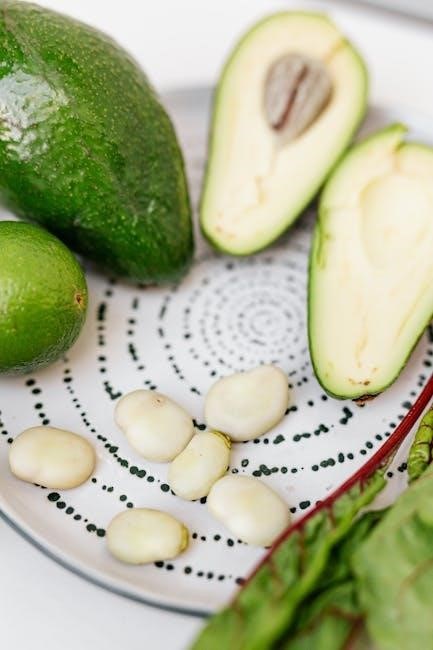
High Fiber Diet for Diverticulosis: Core Principles
A high-fiber diet, aiming for at least 30g daily, is central to managing diverticulosis, promoting regular bowel movements and reducing colon pressure effectively.
Daily Fiber Intake Recommendations
Current dietary guidelines suggest adults should consume a minimum of 30 grams of fiber each day to support optimal digestive health and manage diverticulosis effectively.
A high-fiber food product generally contains at least 6 grams of fiber per serving, contributing significantly towards meeting this daily requirement, aiding in regular bowel function.
Individual needs may vary, so consulting a healthcare professional or registered dietitian is crucial for personalized recommendations tailored to your specific health status and needs.
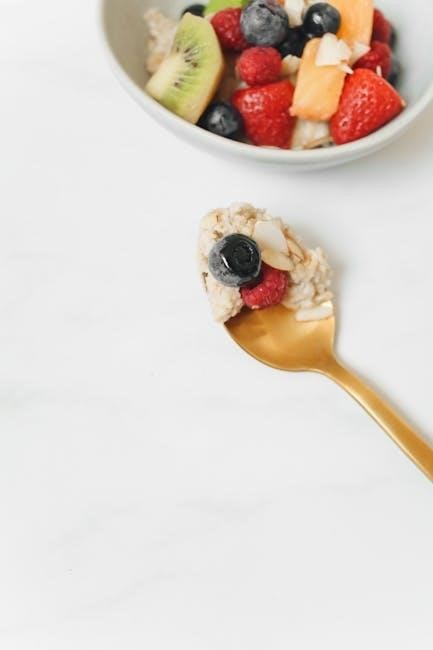
Gradual Increase of Fiber Consumption
Abruptly increasing fiber intake can lead to gas, bloating, and discomfort; therefore, a gradual approach is essential for optimal tolerance and digestive comfort when managing diverticulosis.
Begin by adding small amounts of fiber-rich foods to your diet each day, allowing your gut microbiome to adjust and adapt to the increased fiber load progressively.
Simultaneously, ensure adequate hydration to facilitate fiber’s passage through the digestive system, preventing constipation and maximizing its beneficial effects on bowel regularity.
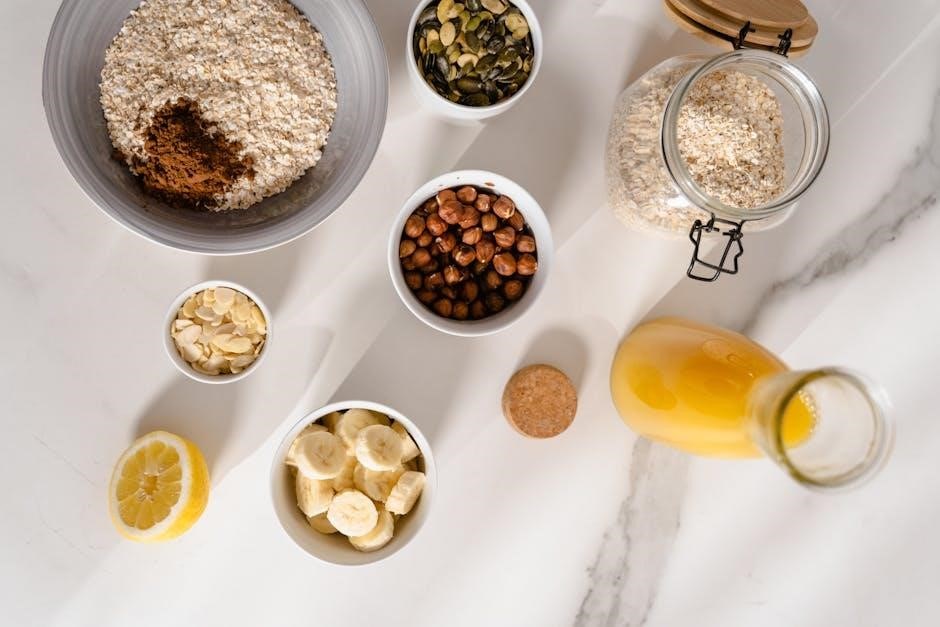
Foods to Include in a High Fiber Diet
Prioritize foods rich in both soluble and insoluble fiber, like fruits, vegetables, and whole grains, to support healthy digestion and manage diverticulosis effectively.
Excellent Sources of Insoluble Fiber
Insoluble fiber adds bulk to stool, aiding regularity and preventing constipation, crucial for managing diverticulosis. Wheat bran is a standout source, boasting a high fiber content per serving. Whole-wheat flour, vegetables like cauliflower and green beans, and fruits with edible skins – apples and pears – also contribute significantly.
Nuts and seeds provide a beneficial dose, alongside certain whole grains such as quinoa and brown rice. Incorporating these foods promotes a healthy digestive system and reduces pressure within the colon, potentially lessening diverticulitis risk.
Good Sources of Soluble Fiber
Soluble fiber dissolves in water, forming a gel-like substance that softens stool and supports gut health, beneficial for those with diverticulosis. Oatmeal and oat bran are excellent choices, providing a substantial fiber boost. Legumes – beans, lentils, and peas – are also rich in soluble fiber.
Fruits like apples, citrus fruits, and berries contribute, as do vegetables such as carrots and Brussels sprouts. These foods help regulate bowel movements and can reduce inflammation, aiding in overall digestive wellness.
Fruits and Vegetables for Diverticulosis
Incorporating a variety of fruits and vegetables is crucial for a diverticulosis diet. Berries, apples (with skin), pears, and bananas offer both soluble and insoluble fiber, promoting regularity. Vegetables like broccoli, spinach, carrots, and sweet potatoes are also excellent choices.
These provide essential nutrients and contribute to healthy bowel function. Prioritize those well-tolerated, as individual sensitivities vary. Remember to wash produce thoroughly before consumption to ensure optimal digestive health.
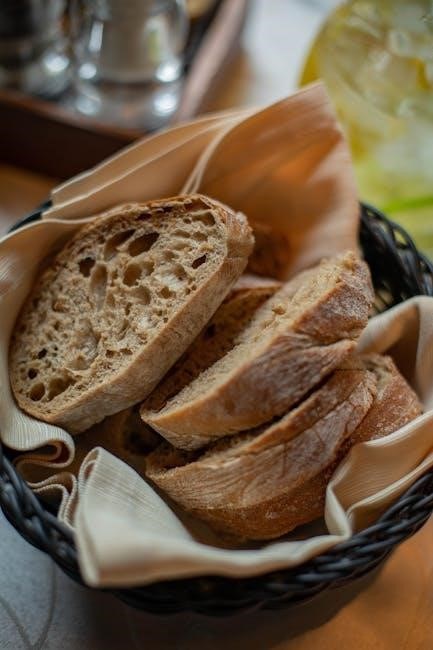
Foods to Limit or Avoid
During flare-ups, limit foods potentially triggering diverticulitis. Processed foods, high in fat and low in fiber, can exacerbate symptoms and hinder recovery;
Foods That May Trigger Diverticulitis
Identifying individual trigger foods is crucial, as responses vary. Historically, seeds, nuts, and popcorn were restricted, but current research suggests they aren’t problematic for most.
However, some individuals find that these foods, alongside foods with small, hard particles, can worsen symptoms during a flare-up. Highly processed foods, rich in fats and sugars, often contribute to inflammation.
Keeping a food diary can help pinpoint specific culprits. Generally, a bland diet avoiding highly seasoned or irritating foods is recommended during acute diverticulitis.
Processed Foods and Their Impact
Processed foods, typically low in fiber and high in unhealthy fats and added sugars, can negatively impact digestive health and potentially exacerbate diverticular disease.
These foods often contribute to inflammation within the gut, increasing the risk of diverticulitis flare-ups. Regular consumption can disrupt the balance of gut bacteria, hindering optimal bowel function.
Limiting intake of processed foods is a key component of a diet aimed at managing diverticulosis and preventing complications, prioritizing whole, unprocessed alternatives instead.
Dietary Guidelines During a Diverticulitis Flare-Up
During a flare-up, transitioning to a low-fiber diet is crucial, reducing colon workload and easing inflammation; a bland diet is helpful.
Transitioning to a Low-Fiber Diet
When experiencing a diverticulitis flare-up, a swift shift to a low-fiber diet is paramount. This minimizes stool volume and reduces pressure within the colon, allowing inflamed pouches to rest and heal. Initially, focus on clear liquids – broth, water, and clear juices – before gradually introducing easily digestible foods.
Avoid high-fiber options like whole grains, raw fruits, and vegetables. White bread, refined pasta, and well-cooked, peeled potatoes are better tolerated. This temporary diet isn’t long-term, but essential for acute symptom control.
Reintroducing Fiber After a Flare-Up
Once diverticulitis symptoms subside, cautiously reintroduce fiber to your diet. Begin with small portions of low-fiber foods, gradually increasing intake over several days or weeks. Prioritize soluble fiber sources – cooked fruits without skin, and refined grains – as they are gentler on the digestive system.
Monitor your body’s response, noting any return of discomfort. A slow, deliberate approach prevents recurrence and supports long-term gut health, ultimately aiming for the recommended daily fiber intake.
Hydration and its Importance
Adequate fluid intake is crucial with a high-fiber diet, aiding digestion and preventing constipation. Water helps fiber move through the digestive tract efficiently.
Water Intake Recommendations
Aim for at least eight 8-ounce glasses of water daily when increasing fiber intake; this supports optimal digestive function and prevents discomfort. Individual needs vary based on activity level, climate, and overall health.
Monitor urine color – pale yellow indicates adequate hydration, while dark yellow suggests you need to drink more fluids. Spread water consumption throughout the day rather than drinking large amounts at once.
Prioritizing hydration alongside a high-fiber diet is essential for managing diverticulosis and promoting overall gut health, easing bowel movements and reducing potential complications.
Other Hydrating Beverages
While water is paramount, herbal teas, clear broths, and diluted fruit juices contribute to daily fluid intake, supporting a high-fiber diet for diverticulosis. Be mindful of added sugars in juices; opt for 100% juice and dilute it with water.
Avoid sugary sodas and excessive caffeine, as they can have a dehydrating effect. Coconut water offers electrolytes, aiding hydration, but consume in moderation.
These beverages complement water, ensuring adequate hydration crucial for softening stool and preventing constipation alongside increased fiber consumption.
Sample Meal Plan for a High Fiber Diet
A balanced plan incorporates fiber-rich foods throughout the day, aiding digestion and preventing flare-ups in diverticulosis; prioritize whole grains, fruits, and vegetables.
Breakfast Ideas
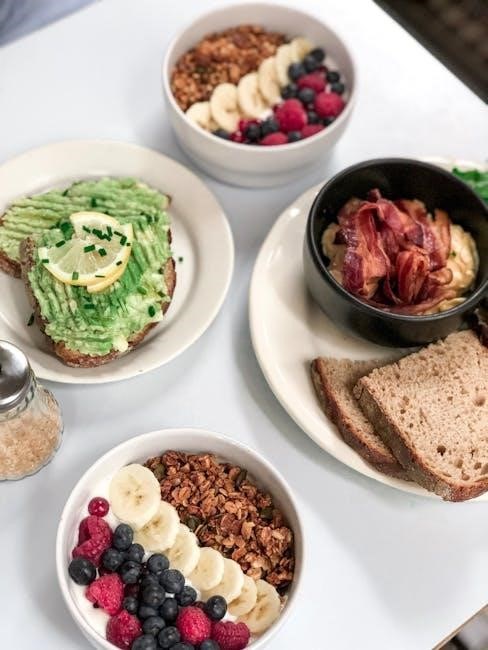
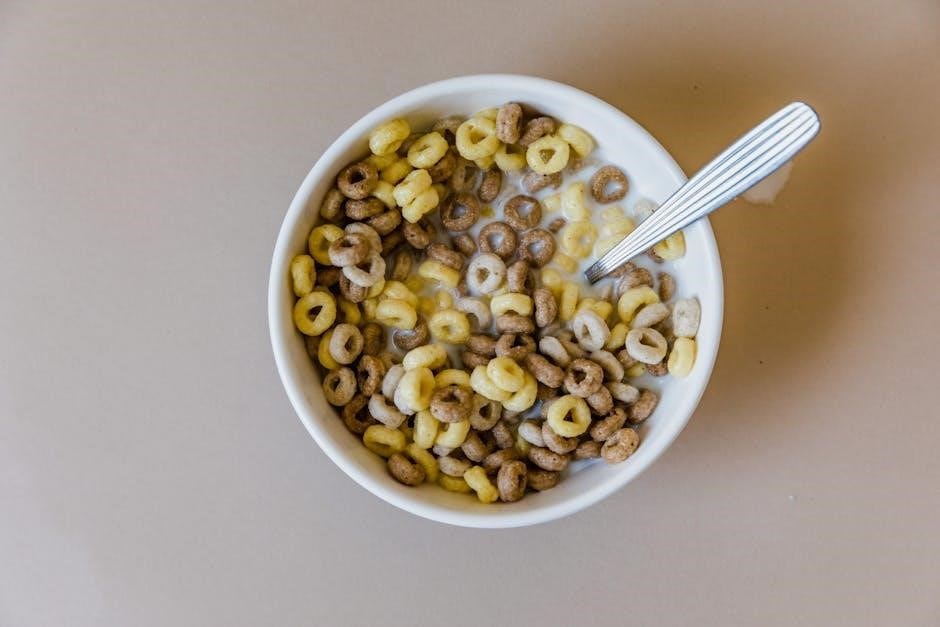
Start your day with a fiber boost! Oatmeal, prepared with water or milk and topped with berries and a sprinkle of flaxseeds, is an excellent choice. Whole-wheat toast with avocado and a sliced tomato provides sustained energy. Consider a high-fiber cereal – check the label for at least 5 grams of fiber per serving – paired with fruit; A smoothie blending spinach, banana, and a tablespoon of chia seeds offers a quick and nutritious option. Remember to drink plenty of water alongside your breakfast to aid digestion and maximize fiber’s benefits.
Lunch and Dinner Suggestions
For lunch, a large salad with mixed greens, beans, and grilled chicken or fish offers a fiber-rich and protein-packed meal. Whole-wheat wraps filled with hummus and vegetables are another convenient option. Dinner could include lentil soup, a hearty and fiber-filled choice. Baked sweet potato topped with black beans and salsa is both delicious and beneficial. Lean protein paired with steamed broccoli and quinoa completes a balanced, high-fiber dinner. Prioritize whole grains and plenty of non-starchy vegetables at each meal.
Resources and Further Information
The Academy of Nutrition and Dietetics and the National Institute of Diabetes and Digestive and Kidney Diseases (NIDDK) provide valuable dietary guidance.
Academy of Nutrition and Dietetics
The Academy of Nutrition and Dietetics offers a wealth of resources, including the Nutrition Care Manual, detailing fiber content in various foods crucial for managing diverticulosis. Their website provides access to registered dietitian nutritionists (RDNs) who can offer personalized dietary plans.
You’ll find evidence-based information on increasing fiber intake gradually, identifying excellent sources of both soluble and insoluble fiber, and understanding how fiber impacts bowel function. They emphasize aiming for at least 30 grams of fiber daily for optimal digestive health, supporting a diet beneficial for those with diverticulosis.
National Institute of Diabetes and Digestive and Kidney Diseases (NIDDK)
The NIDDK provides comprehensive information about diverticular disease, including diverticulosis and diverticulitis, emphasizing the role of diet. Their resources explain how a high-fiber diet promotes regular bowel movements, reducing pressure within the colon and potentially preventing pouch formation.
NIDDK highlights that while there’s no definitive cause, adequate fiber intake is a cornerstone of management. They offer guidance on gradually increasing fiber consumption and understanding the benefits of both soluble and insoluble fiber for overall digestive wellness and symptom control.
Debunking Common Myths About Fiber and Diverticulosis
Old beliefs suggesting seeds or popcorn worsen diverticulosis are largely unfounded; a high-fiber diet, including these foods, is generally well-tolerated and beneficial.
The Seed Myth
For years, individuals with diverticulosis were advised to avoid seeds, nuts, and popcorn, fearing they’d lodge in the diverticula and cause inflammation or infection. However, current medical understanding largely debunks this myth.
Research indicates these small particles typically pass through the digestive system without issue. A high-fiber diet, even including seeds and nuts, doesn’t increase the risk of diverticulitis.
Focusing on adequate fiber intake and hydration remains the cornerstone of managing diverticulosis, rather than strict avoidance of these foods.
Popcorn and Nuts
Contrary to older beliefs, popcorn and nuts are generally considered safe for individuals following a high-fiber diet for diverticulosis. They were previously thought to become trapped in diverticula, potentially causing inflammation.
However, modern gastroenterological guidance suggests they usually pass through the digestive tract without causing problems.
In fact, both offer nutritional benefits and can contribute to overall digestive health when consumed as part of a balanced, fiber-rich diet. Enjoy them in moderation!
Long-Term Management with Diet
Maintaining consistent, high-fiber intake is crucial for long-term diverticulosis management. Regularly monitor symptoms and adjust your diet accordingly for optimal gut health.
Maintaining a Consistent High-Fiber Intake
Long-term success with a diverticulosis diet hinges on consistency. Aim for at least 30 grams of fiber daily, incorporating it into every meal. Prioritize whole grains, fruits, and vegetables.
Gradual increases are key to avoid discomfort; suddenly boosting fiber can cause gas and bloating. Regularly assess your bowel movements – consistency is a good indicator.
Remember, fiber works best with adequate hydration, so drink plenty of water throughout the day to support healthy digestion and prevent constipation. This proactive approach supports long-term colon health.
Monitoring Symptoms and Adjusting Diet
Pay close attention to how your body responds to increased fiber intake. Note any changes in bowel habits, bloating, or abdominal discomfort. If symptoms worsen, temporarily reduce fiber and reintroduce it slowly.
Keep a food diary to identify potential trigger foods. While seeds and popcorn aren’t typically problematic, individual sensitivities vary.
Regularly evaluate your diet and adjust based on your experience, always prioritizing a balanced approach and consulting with a healthcare professional for personalized guidance.
The Importance of Consulting a Healthcare Professional
Personalized dietary advice from a doctor or registered dietitian is crucial for managing diverticular disease effectively, ensuring a safe and tailored approach.
Personalized Dietary Recommendations
Individual needs vary significantly when adopting a high-fiber diet for diverticulosis; a healthcare professional can assess your specific condition and medical history.
They’ll consider factors like symptom severity, existing health issues, and current medication to create a plan tailored to you. This includes determining the optimal daily fiber intake—generally aiming for at least 30 grams—and guiding the gradual increase to avoid discomfort.
A professional can also help identify potential trigger foods and ensure adequate hydration alongside increased fiber consumption, maximizing benefits and minimizing side effects.
When to Seek Medical Attention
Despite a high-fiber diet, promptly consult a doctor if you experience persistent abdominal pain, fever, nausea, or vomiting—these could signal diverticulitis, requiring medical intervention.
Rectal bleeding, especially if significant, warrants immediate evaluation to rule out other potential causes. Changes in bowel habits that don’t improve with dietary adjustments also necessitate a medical check-up.
Don’t self-treat severe symptoms; professional diagnosis and treatment are crucial to prevent complications and manage your diverticular disease effectively;