Tulip Tie Dye Washing Instructions: A Comprehensive Guide
Navigating the vibrant world of Tulip One-Step Tie-Dye brings a delightful splash of color to your wardrobe‚ but maintaining those brilliant hues requires careful washing practices.
This guide provides essential steps to prevent color bleeding‚ ensuring your tie-dye creations remain vivid and enjoyable for years to come.
From initial washes to long-term care‚ we’ll explore detergent choices‚ water temperature recommendations‚ and drying methods‚ all tailored to protect your tie-dye investment.
Understanding kit capacity and wash frequency will also help you maximize the lifespan of your colorful designs‚ keeping them looking fresh and vibrant through numerous washes.
Understanding Tulip One-Step Tie Dye
Tulip One-Step Tie-Dye kits have become incredibly popular‚ especially during times when creative at-home activities are sought after‚ like the 2020 lockdowns. Their ease of use makes them accessible for all ages‚ transforming plain white garments into vibrant‚ personalized pieces. However‚ the very nature of dye – particularly the concentrated formulas in these kits – means careful washing is crucial to prevent color loss and bleeding;
These kits typically contain highly pigmented dyes designed to bond with fabric fibers. Each bottle within a kit can generally handle dyeing around several shirts‚ depending on the desired intensity and pattern complexity. The “one-step” process simplifies the dyeing experience‚ but doesn’t eliminate the need for diligent post-dyeing care.
A key consideration is the potential for excess dye to remain in the fabric after the initial rinsing. This unbound dye is what causes colors to bleed during washing‚ potentially staining other clothes or fading your tie-dye masterpiece. Therefore‚ understanding this fundamental aspect of the dye process is the first step towards successful‚ long-lasting results.
Successfully preserving your tie-dye requires a proactive approach to washing‚ starting with the very first wash after dyeing.
Initial Color Setting: The First Wash
The very first wash is arguably the most critical step in setting the colors of your Tulip One-Step Tie-Dye project. This initial wash aims to remove excess‚ unbound dye that hasn’t fully bonded with the fabric fibers. Ignoring this step significantly increases the risk of substantial color bleeding and potential staining of other garments.
It is absolutely essential to wash the newly tie-dyed item completely separately from all other clothing. Even seemingly colorfast items can pick up dye during this first wash. Use cold water – warm or hot water encourages dye release – and a mild detergent. Avoid detergents with bleach or brighteners‚ as these can fade the colors.
Consider adding a color catcher sheet to the wash; these sheets are designed to absorb loose dye molecules‚ providing an extra layer of protection. Don’t overload the washing machine; give the tie-dye item plenty of room to circulate freely.
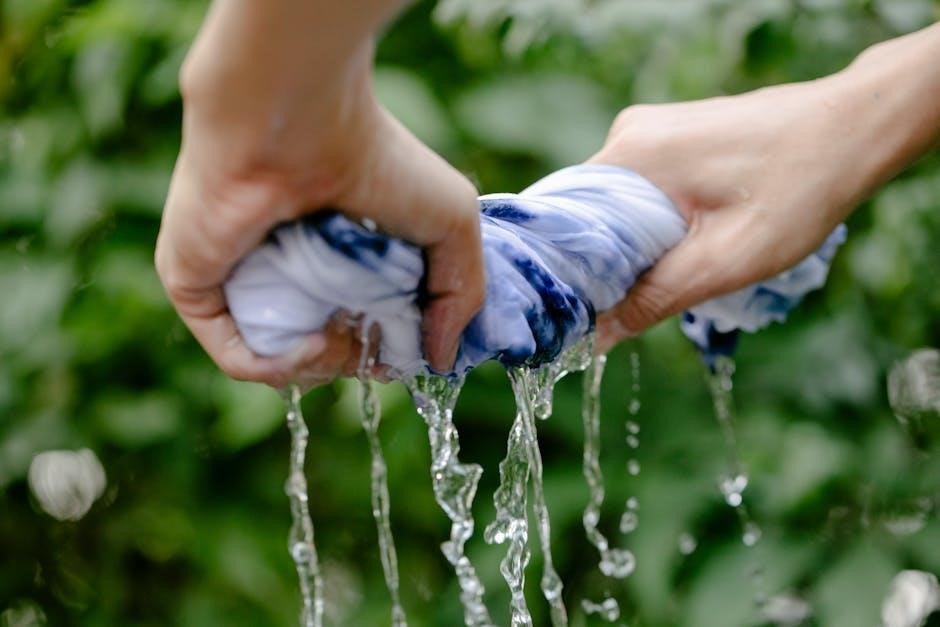
Expect to see some color in the wash water‚ even after thorough rinsing. This is normal! Continue rinsing until the water runs relatively clear. This initial wash is about minimizing the dye released in subsequent washes‚ setting the stage for long-term color retention.
Preventing Color Bleeding: Essential Steps
Beyond the crucial first wash‚ preventing color bleeding requires consistent‚ mindful laundry habits. The key is to minimize dye release with each wash cycle‚ protecting both your tie-dye items and other clothes. Always turn your tie-dye garments inside out before washing; this reduces friction and dye loss from the surface of the fabric.
Continue to use cold water for all subsequent washes. Heat is a major catalyst for dye bleeding. Select a gentle cycle on your washing machine to further minimize agitation and potential color transfer. Avoid harsh detergents‚ especially those containing bleach or optical brighteners‚ which can strip color.
Regularly incorporate color catcher sheets into your wash routine‚ even after the initial washes. These sheets actively absorb loose dye molecules‚ acting as a safety net against accidental staining.
Be particularly cautious when washing items with a wide range of colors – a vibrant red tie-dye alongside a pale yellow shirt requires extra vigilance. Following these steps will significantly extend the life and vibrancy of your tie-dye creations.
Water Temperature Recommendations
When it comes to Tulip One-Step Tie-Dye‚ water temperature is paramount in preserving the vibrancy of your designs. Consistently using cold water – and we mean cold – is the single most important factor in preventing color bleeding and fading. Avoid warm or hot water at all costs‚ as heat aggressively encourages dye molecules to release from the fabric fibers.
For the initial wash‚ cold water is absolutely non-negotiable. This first wash sets the dye and removes excess unbound pigment. Subsequent washes should also adhere to this rule. Even a slightly warmer temperature can cause noticeable color loss over time.
Think of cold water as a protective barrier for your tie-dye. It minimizes agitation and keeps the dye locked within the fabric; While a hot wash might seem appealing for sanitation‚ it will dramatically shorten the lifespan of your colorful creations.
Embrace the chill! Cold water washing is a small effort that yields significant long-term benefits for your tie-dye wardrobe‚ ensuring those bright hues stay bold and beautiful.
Detergent Choices for Tie Dye
Selecting the right detergent is crucial for maintaining the brilliance of your Tulip One-Step Tie-Dye projects. Generally‚ mild‚ pH-neutral detergents are your best bet. Harsh chemicals‚ bleach‚ and even detergents with brighteners can strip the dye and cause colors to fade prematurely. Avoid anything with added fragrances or dyes‚ as these can also contribute to color loss or transfer.
Liquid detergents are often preferred over powders‚ as powders may not dissolve completely in cold water‚ potentially leaving residue that dulls the colors. Look for detergents specifically designed for delicate fabrics or color-safe formulas.
Many tie-dye enthusiasts recommend detergents formulated for dark colors‚ even when washing brightly colored items. These detergents often contain ingredients that help to lock in dye molecules.
Always use the minimum amount of detergent necessary for a clean wash. Excessive detergent can leave behind residue and contribute to fading. A gentle approach is key to preserving the vibrancy of your tie-dye creations for the long haul.
Using Color Catchers
Color catchers are an invaluable tool when washing your newly tie-dyed items‚ especially during the initial washes where the most dye release occurs. These sheets‚ readily available in most laundry aisles‚ attract loose dye molecules in the wash water‚ preventing them from re-depositing onto other garments.
Even with careful rinsing‚ some dye will inevitably bleed‚ and color catchers act as a safety net‚ absorbing this excess color. They’re particularly useful when washing multiple tie-dye pieces together‚ or when including tie-dye with other laundry.
For the first few washes‚ it’s recommended to use multiple color catcher sheets – typically 2-3‚ depending on the intensity of the colors in your tie-dye.
Observe the color catcher sheets after each wash; if they are heavily saturated with color‚ continue using them in subsequent washes until minimal dye transfer is observed. This proactive step significantly reduces the risk of unwanted color bleeding and helps maintain the vibrancy of your tie-dye projects.
Washing New Tie Dye Items Separately
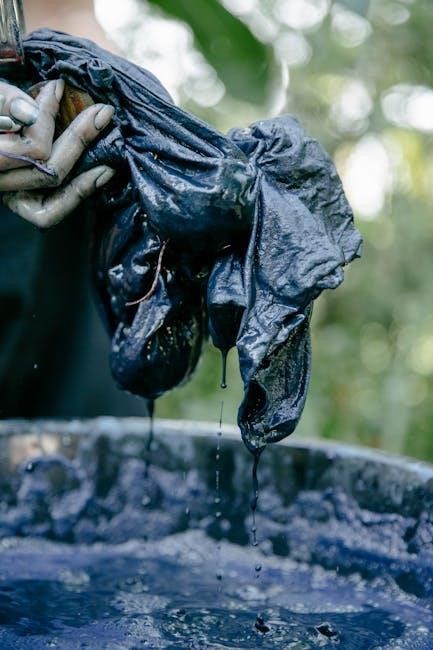
The initial wash of your freshly tie-dyed creations is the most critical stage for preventing color transfer. Absolutely avoid washing new tie-dye items with other clothing‚ regardless of color‚ for the first several washes. This precaution minimizes the risk of staining other garments with excess dye.
Treat each new tie-dye piece as a potential color bomb‚ capable of releasing significant amounts of dye into the wash water. Washing alone ensures that any released dye will only affect the tie-dye item itself‚ preserving the colors of your other clothes.
This isolation period typically lasts for 3-5 washes‚ but it’s wise to continue washing separately until you observe minimal dye release – confirmed by using color catcher sheets (as described previously).

Even seemingly ‘set’ colors can still bleed slightly‚ so erring on the side of caution is always best. Protect your wardrobe and maintain the vibrancy of your tie-dye by dedicating those first few washes solely to the newly dyed items.
Machine Washing vs. Hand Washing
Both machine washing and hand washing are viable options for Tulip Tie-Dye‚ but each method offers distinct advantages. Machine washing is generally more convenient for larger loads and everyday cleaning‚ while hand washing provides a gentler approach‚ potentially extending the life of the colors.
If opting for machine washing‚ always use a cold water cycle and a mild detergent. A delicate cycle is preferable to minimize agitation and reduce the risk of color fading or fabric damage. Remember to wash the tie-dye item separately‚ especially during the initial washes.
Hand washing‚ on the other hand‚ allows for greater control over the washing process. Gently submerge the item in cold water with a mild detergent‚ swishing it around carefully. Avoid harsh scrubbing or twisting‚ which can distort the design and cause color loss.
Ultimately‚ the choice depends on your preference and the specific item. For delicate fabrics or intricate designs‚ hand washing is recommended. For more durable items and larger loads‚ machine washing is a practical solution.
Drying Methods: Air Dry vs. Machine Dry
When it comes to drying your Tulip Tie-Dye creations‚ the method you choose significantly impacts color retention and fabric longevity. Both air drying and machine drying are possible‚ but air drying is overwhelmingly recommended as the superior option.

Air drying minimizes heat exposure‚ a primary culprit in color fading. Lay the item flat on a clean‚ dry surface or hang it on a plastic hanger‚ avoiding direct sunlight. This gentle process allows the fabric to dry naturally‚ preserving the vibrancy of the dyes.
If you must use a machine dryer‚ select the lowest heat setting possible. High heat can cause the colors to bleed and fade‚ potentially damaging the fabric. Consider using dryer sheets designed for color protection‚ but always test them on an inconspicuous area first.
Removing the item promptly once dry is crucial‚ regardless of the method used. Prolonged exposure to heat‚ even on a low setting‚ can still contribute to color loss. Prioritizing air drying will consistently yield the best results‚ keeping your tie-dye looking its brightest for longer.
Avoiding Direct Sunlight During Drying
Protecting your vibrant Tulip Tie-Dye from the sun’s harsh rays is paramount to preserving its brilliant colors. Direct sunlight acts as a natural bleaching agent‚ accelerating color fading and diminishing the intensity of your designs. This is especially true for bolder‚ brighter shades.
When air drying‚ always choose a shaded location. An indoor drying rack is ideal‚ or if drying outdoors‚ ensure the item is completely shielded from direct sunlight. A covered porch or a spot under a tree can provide adequate protection.

Even brief exposure to strong sunlight can cause noticeable fading‚ particularly in the first few washes. The dyes in tie-dye‚ while designed to be relatively colorfast‚ are still susceptible to UV degradation.
Consider the time of day if outdoor drying is unavoidable. Early mornings or late afternoons offer less intense sunlight. Prioritizing shade and minimizing sun exposure will significantly extend the life and vibrancy of your beautifully crafted tie-dye creations‚ keeping them looking fresh and colorful;
Long-Term Color Retention Strategies
Maintaining the vibrancy of your Tulip Tie-Dye creations over time requires a consistent and mindful approach to washing and care. Beyond the initial washes‚ adopting specific strategies will significantly extend the life of the colors.
Wash items inside out to minimize friction and color abrasion during the wash cycle. This simple step protects the dyed fibers from excessive wear. Continue using a color-safe detergent even after the initial color setting washes‚ as harsh detergents can strip dyes over time.
Reduce wash frequency whenever possible. Over-washing contributes to fading. Spot clean minor stains instead of washing the entire garment. Consider hand washing delicate items or those with intricate designs to provide a gentler cleaning process.
Store tie-dye items away from direct sunlight when not in use. Prolonged exposure to light‚ even indoors‚ can cause gradual fading. By implementing these strategies‚ you can enjoy your vibrant tie-dye pieces for years to come‚ preserving their unique and colorful appeal.
Washing Darker and Lighter Colors Together
Combining darker and lighter tie-dye items in the same wash load presents a significant risk of color transfer‚ even after several initial washes. While Tulip One-Step Tie-Dye is designed to minimize bleeding‚ caution is still advised‚ especially with intensely pigmented shades.
If you choose to wash mixed colors together‚ always use cold water. Cold water significantly reduces the likelihood of dye release compared to warmer temperatures. Employing color catcher sheets is absolutely crucial in this scenario. These sheets actively absorb loose dyes‚ preventing them from re-depositing onto lighter fabrics.
Consider a pre-soak in cold water with a color-safe detergent before washing. This can help to loosen any remaining unbound dye molecules. Monitor the wash water closely; if you notice significant color bleeding‚ separate the items immediately and rewash.
For peace of mind‚ it’s generally best to wash darker and lighter tie-dye items separately‚ particularly for the first few washes. This minimizes the risk of unwanted color mixing and ensures the longevity of your vibrant designs.
Impact of Fabric Type on Washing
The type of fabric significantly influences how you should wash your Tulip tie-dye creations. Cotton‚ the most common tie-dye material‚ generally holds dye well but can still bleed‚ requiring careful washing practices. Synthetic fabrics like polyester are more resistant to dye absorption but may require different detergent considerations.
Delicate fabrics‚ such as rayon or silk‚ demand even gentler handling. Hand washing is often recommended for these materials to prevent damage and excessive color loss. Heavier fabrics‚ like denim‚ can withstand more vigorous washing but may still benefit from cold water and color catchers.
Pre-shrunk fabrics are ideal for tie-dyeing as they minimize distortion during washing. Always check the garment’s care label for specific washing instructions before proceeding. Consider the fabric’s weave; tighter weaves tend to hold dye better than looser weaves.
Regardless of the fabric type‚ avoid harsh chemicals and bleach as they can strip the dye and damage the fibers. Prioritizing gentle care tailored to the fabric will ensure your tie-dye remains vibrant and intact for a longer period.
Dealing with Faded Colors
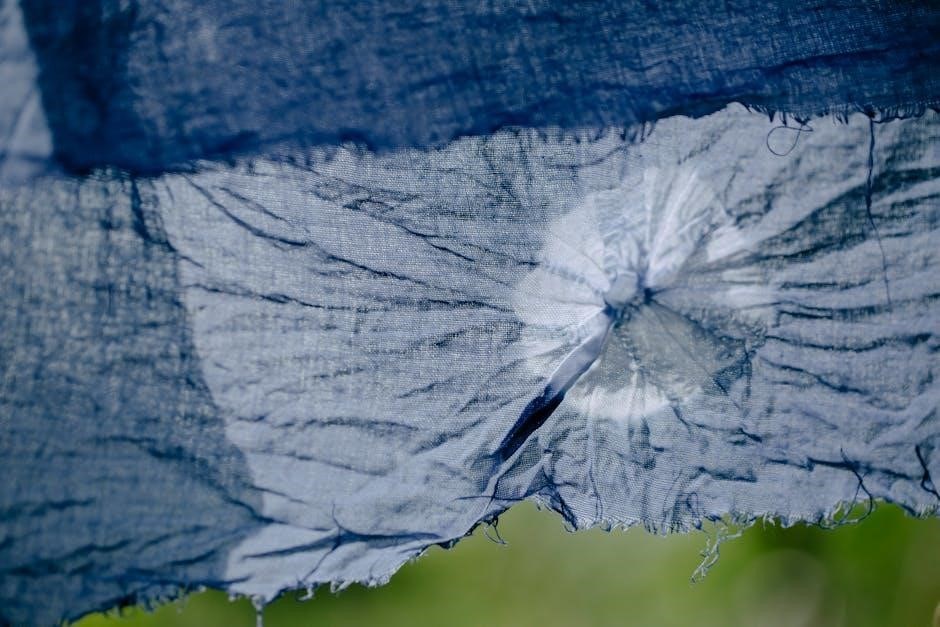
Even with diligent care‚ tie-dye colors can fade over time. Several factors contribute to this‚ including repeated washing‚ exposure to sunlight‚ and the quality of the dye itself. Don’t despair! There are steps you can take to revitalize your faded tie-dye.
First‚ assess the extent of the fading. Minor fading can often be addressed by using a color-safe detergent and washing in cold water. For more significant fading‚ consider a re-dyeing process. This involves carefully applying dye to the faded areas‚ following the instructions on your Tulip tie-dye kit.
Before re-dyeing‚ ensure the garment is thoroughly clean and dry. Protect surrounding areas with plastic or rubber gloves to prevent unwanted dye transfer. Test the dye on an inconspicuous area first to ensure color compatibility.
Remember that re-dyeing may not perfectly match the original color‚ but it can significantly improve the vibrancy. Preventative measures‚ like avoiding harsh detergents and direct sunlight‚ are crucial for minimizing future fading and preserving your tie-dye’s brilliance.
Re-Dyeing Faded Areas
When fading occurs‚ re-dyeing offers a fantastic solution to breathe new life into your beloved tie-dye creations. Before starting‚ gather your Tulip One-Step Tie-Dye kit‚ gloves‚ a plastic covering for your work surface‚ and the garment itself – clean and completely dry.
Identify the faded areas specifically. You might not need to re-dye the entire item‚ saving dye and effort. Apply the dye directly to the faded sections‚ ensuring thorough saturation. For blended colors‚ carefully match the original shades as closely as possible.
Allow the dye to set for the recommended time (typically 6-8 hours‚ or as per kit instructions). Rinse thoroughly with cold water until the water runs clear‚ removing any excess dye. Avoid washing the re-dyed garment with other clothes during the first wash to prevent color transfer.
Remember‚ re-dyeing might slightly alter the original hue‚ but it’s an effective way to restore vibrancy. Consider using a color catcher sheet during the initial wash to further minimize any potential bleeding. Proper preparation and careful application are key to a successful re-dyeing experience.
Troubleshooting Common Washing Issues
Even with careful washing‚ issues can arise. One frequent concern is color bleeding‚ often due to insufficient initial rinsing or washing with lighter garments too soon. If bleeding occurs‚ re-wash the item separately with cold water and a color-catching sheet.
Fading is another common problem‚ exacerbated by hot water and harsh detergents. Switch to cold water and a gentle detergent designed for colors. Avoid prolonged exposure to direct sunlight during drying‚ as UV rays accelerate fading.
Sometimes‚ dye can appear uneven after washing. This might be due to uneven dye application initially. Consider re-dyeing the affected areas for a more uniform look. Ensure thorough saturation during the re-dyeing process.
If the fabric feels stiff after washing‚ it could be due to detergent buildup. Try adding a cup of white vinegar to the rinse cycle to soften the fabric. Always follow the kit’s instructions and remember that proper washing techniques are crucial for maintaining vibrant‚ long-lasting tie-dye.
Tulip Tie Dye Kit Capacity and Wash Frequency
Understanding your Tulip One-Step Tie-Dye Kit’s capacity is key to planning your projects. Typically‚ a kit can dye approximately 30 shirts‚ though this varies based on desired pattern intensity and color saturation. Each bottle within the kit generally handles around one shirt‚ depending on the size and complexity of the design.
Wash frequency impacts color retention. While you can wash tie-dye items regularly‚ minimize washes to preserve vibrancy. Turn garments inside out before washing to reduce friction and fading. Avoid washing with abrasive materials like denim‚ which can cause color loss.
For the first few washes‚ prioritize washing tie-dye items separately‚ even if using color catchers. As the dye sets with each wash‚ you can gradually incorporate them into regular laundry cycles. Consider hand washing delicate items or those with intricate designs to prolong their lifespan.
Remember‚ more frequent washing will inevitably lead to some fading‚ but following these guidelines will help maximize the longevity and brilliance of your tie-dye creations.